



Stakeholders from Lesotho’s agriculture sector, including government officials, development partners and private sector representatives, met in Maseru on March 26 this year to explore the introduction of crop insurance as a tool to protect smallholder farmers from climate-related losses.
The meeting, convened by the Ministry of Agriculture, Food Security and Nutrition in collaboration with the World Food Programme and other partners, forms part of ongoing efforts under the Second Smallholder Agriculture Development Project (SADP II) to strengthen agricultural resilience.
Crop insurance, still in its early stages in Lesotho, is expected to serve as a financial safety net by compensating farmers in the event of crop failure. The initiative aims to reduce production risks and encourage farmers to invest more confidently despite the uncertainties posed by climate change.
Speaking at the meeting, ‘Mamoeketsi Loke, standing in for the Director of Planning and Policy Analysis, emphasised the importance of protecting farmers from both climate and production risks.
“Farmers continue to face persistent challenges, including irregular rainfall, drought and unexpected disasters. The smart subsidy programme was introduced to help them manage these risks and improve productivity,” she said.
Discussions focused on findings from monitoring and evaluation activities related to smart subsidies, as well as practical strategies for implementing crop insurance in a way that is accessible and beneficial to smallholder farmers.
Participants reviewed survey results, analysed data, and assessed pilot interventions carried out under SADP II.
Presentations highlighted progress made during the pilot phase, outlining successes as well as areas requiring improvement. Stakeholders identified gaps in implementation and proposed ways to refine the programme as it moves into its next phase.
Despite promising results, several challenges were raised. These include stock shortages among agro-dealers, limited awareness and understanding of insurance among farmers, and concerns around trust in insurance systems. Participants also stressed the need to ensure greater inclusion of youth and persons with disabilities in agricultural programmes.
Director of Field Services, Thabo Sekhonyane, underscored the importance of collaboration.
“The Ministry cannot work in isolation. All stakeholders must come together to develop a clear strategy that effectively supports farmers,” he said. “This initiative will increase production and allow farmers to focus on what they do best.”
He described the programme as a long-term commitment to improving livelihoods and building a more resilient agricultural sector.
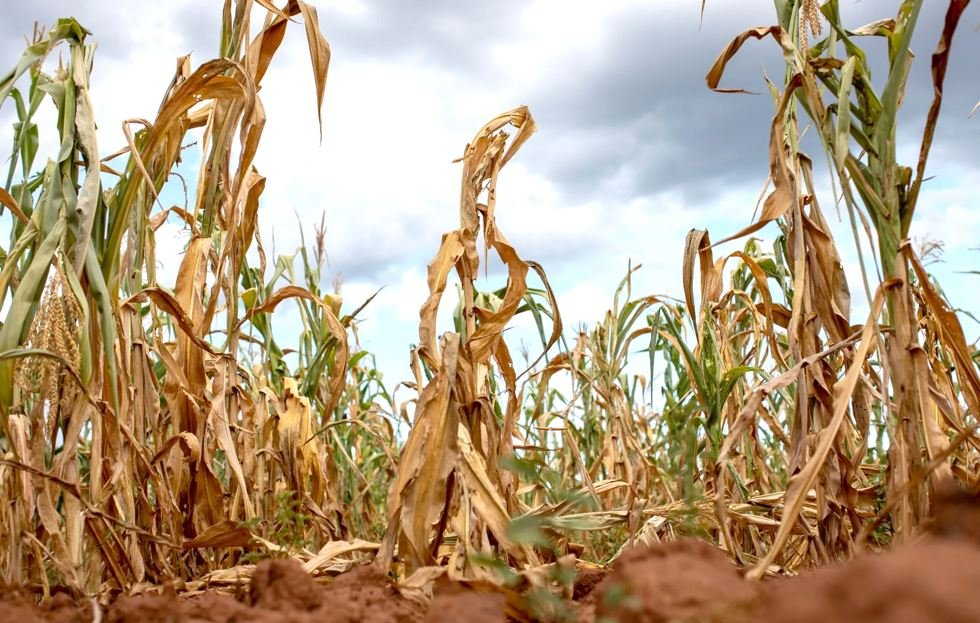
Climate change continues to pose a significant threat to food security in Lesotho, with erratic rainfall patterns and recurring droughts disrupting farming cycles. For many smallholder farmers, these conditions have resulted in repeated crop failures, reduced incomes and increased vulnerability.
Through SADP II, stakeholders are promoting the integration of smart subsidies with innovative financial solutions such as crop insurance. This combined approach is expected to improve productivity while strengthening sustainability and resilience.
‘Maleseli Tšiu, Head of Underwriting at LNIG Hollard, highlighted the importance of partnerships between insurers and government.
“Our collaboration is not just about profit, but about helping farmers manage risk and secure their livelihoods,” she said.
Insurance providers are expected to play a key role in designing products that are affordable, practical and tailored to the needs of Basotho farmers, ensuring that crop insurance schemes are widely adopted across rural communities.
Stakeholders also emphasised the need for awareness and education, noting that many farmers remain unfamiliar with how insurance works. Investment in outreach programmes will be essential to build trust and improve understanding.
For smallholder farmers, the introduction of crop insurance could mark a turning point. With a reliable safety net, farmers may be more willing to adopt improved seeds, fertilisers and modern farming techniques, ultimately boosting productivity and strengthening food security.
However, affordability remains a major concern, particularly for small-scale farmers with limited financial resources. Accessibility, effective implementation and sustained coordination among stakeholders will be critical to the initiative’s success.
Despite these challenges, the meeting signalled a strong commitment from the government and its partners to transform Lesotho’s agricultural sector.
By combining policy support, financial innovation and collaboration, the country is taking meaningful steps toward building resilience against climate shocks.