Seahlolo Equips Journalists to Carry Agriculture Story Beyond Farmers Pitso

Twenty media professionals joined training on agricultural reporting, audience engagement and digital security as part…
Lesotho's premier and only dedicated agricultural publication, focusing on news, insights, and developments within the country's agricultural sector.
Lesotho's premier and only dedicated agricultural publication, focusing on news, insights, and developments within the country's agricultural sector.
Twenty media professionals joined training on agricultural reporting, audience engagement and digital security as part…

…Wins Seahlolo’s M10,000 prize in a competition designed to connect classroom knowledge with practical farming…
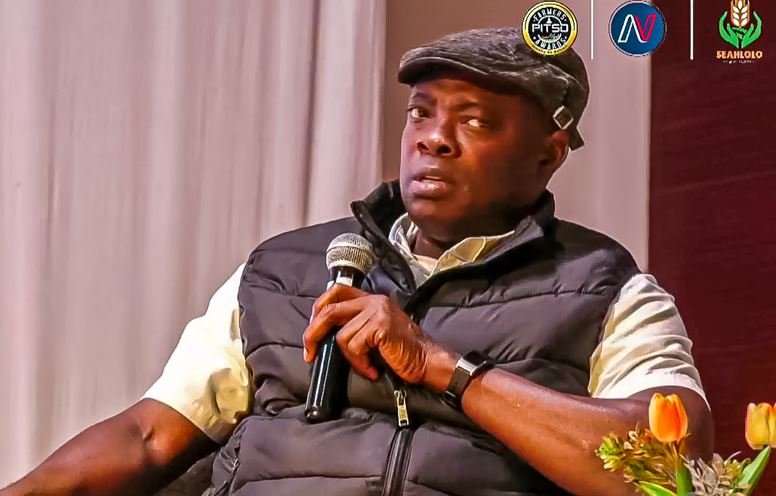
Experts urged producers to connect soil health, seed choice, water and nutrient management before investing…
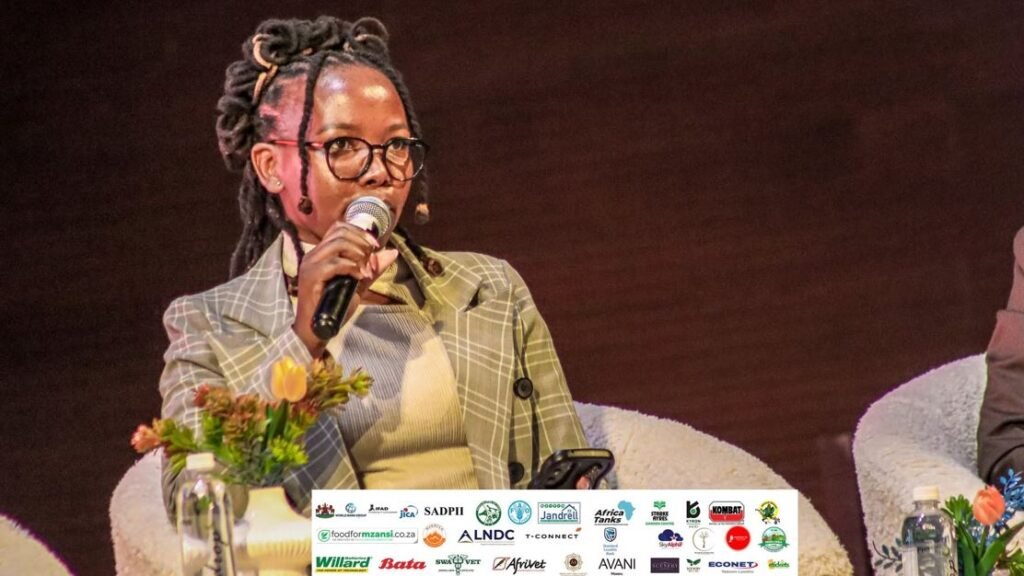
Experts linked balanced feeding, disease prevention and food safety to stronger poultry businesses—and challenged researchers…



…Farmers Pitso Agriculture Week gave farming a national stage. Twenty-seven schools took part. One hundred and eighteen farmers were recognised across 44 award categories. Ten Royal Honourees were celebrated. Over four days, Farmers Pitso Agriculture Week filled the ’Manthabiseng Convention Centre with the people, ideas and work behind Lesotho’s food production. Organised by Seahlolo Newspaper…

Twenty media professionals joined training on agricultural reporting, audience engagement and digital security as part of Farmers Pitso Agriculture Week. The knowledge shared during Farmers Pitso Agriculture Week needed to go beyond the conference room. Farmers who could not attend, communities facing production challenges, and audiences trying to understand Lesotho’s food system also needed access…

…Wins Seahlolo’s M10,000 prize in a competition designed to connect classroom knowledge with practical farming and the next generation of agriculture. Iketsetseng Horizon High School emerged as the agricultural champion at the 2026 Farmers Pitso National Schools Agriculture Challenge, taking home the M10,000 first prize sponsored by Seahlolo Newspaper. Its victory crowned a year of…

Experts urged producers to connect soil health, seed choice, water and nutrient management before investing in the next crop. Buying seed and fertiliser commits a farmer’s money before there is any certainty of a harvest. Experts stressed that whether that investment pays off depends partly on conditions beneath the surface and on how well the…
Experts linked balanced feeding, disease prevention and food safety to stronger poultry businesses—and challenged researchers to bring their findings closer to farmers. A cheaper bag of feed may seem like relief to a poultry farmer facing rising production costs. But if birds grow slowly, take longer to reach market weight or produce fewer eggs, the…

Agriculture experts linked animal nutrition, breeding, healthy rangelands, and financial records to a question that matters across rural Lesotho: Is livestock ownership delivering a sustainable return? A large herd can be a source of pride, but the number of animals a farmer owns does not, on its own, reveal whether the enterprise is productive, profitable…
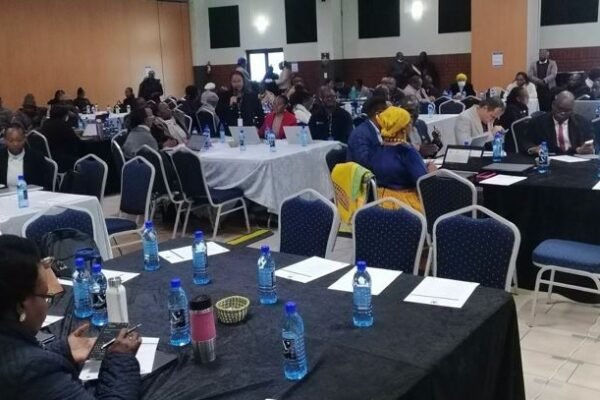
A new three-year programme aimed at helping Basotho farmers adapt to climate change while improving food production and rural livelihoods has been launched, bringing fresh hope to communities increasingly affected by drought, land degradation and unpredictable rainfall. The Building Climate Resilient Livelihoods and Food Systems (ReLiF) project, launched by the Ministry of Agriculture, Food Security…

A new locally developed digital platform could transform the way Basotho farmers access agricultural advice by bringing extension officers just a click away. Developed by three Lerotholi Polytechnic students, Lemoha AI is designed to bridge the long-standing communication gap between farmers and extension officers by providing instant access to technical guidance, production support and market…
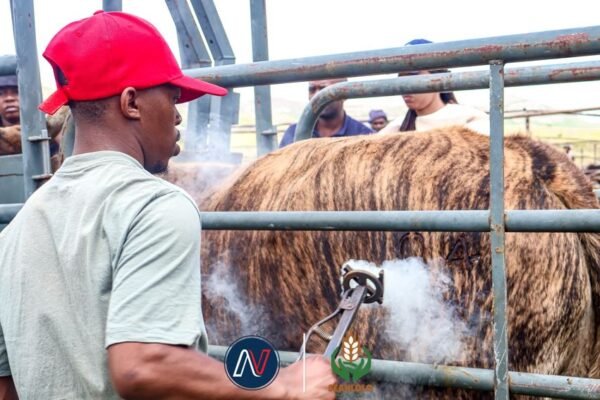
…As the government reviews the Livestock Identification and Theft Prevention Bill, farmers welcome stronger protection but question the practicality, affordability, and efficacy of the proposed system in delivering the sector’s much-needed transformation. By Thoboloko Ntšonyane & Topollo Tlali “If the government wants us to implant microchips in our livestock, who is going to pay?” Motsamai…
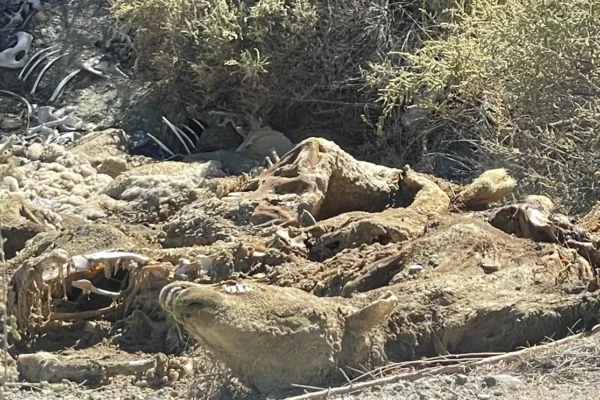
As Lesotho grapples with a surge in livestock disease outbreaks, health experts are cautioning against the long-standing practice of consuming animals that die from unknown causes. This tradition, they warn, could expose communities to dangerous zoonotic diseases—illnesses transmissible from animals to humans. For generations, many Basotho have adhered to the proverb “Lebitla la khomo ke…
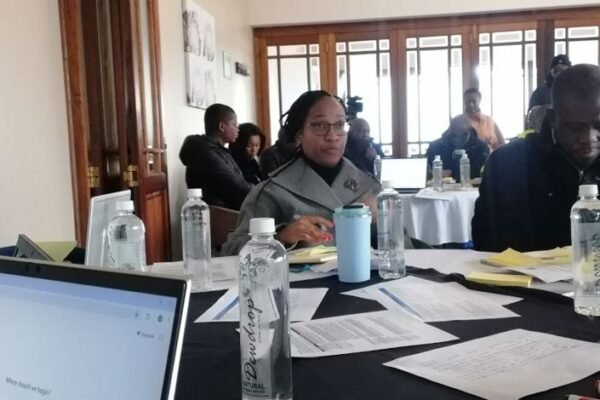
The Government aims to source 80 per cent of food for the national school feeding programme from Basotho farmers within the next 18 months, as it moves to implement the National School Feeding Policy approved in 2024. During a stakeholder meeting held under the theme, Accelerating Home-Grown School Feeding Through Local Procurement, representatives from the…
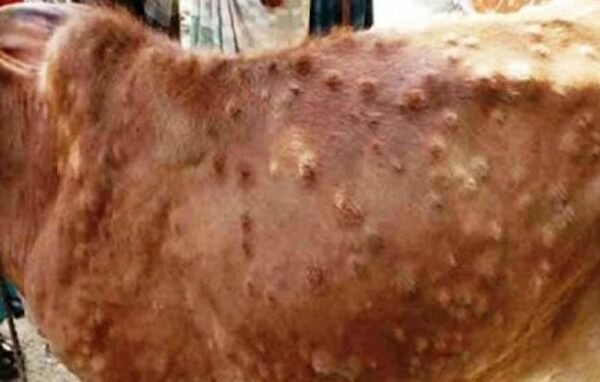
Six months after Lumpy Skin Disease (LSD) swept through Lesotho’s cattle population, veterinary officials say the outbreak has largely been brought under control. For many livestock farmers, however, the economic and production losses continue to shape their recovery. The disease, first detected in January this year, spread rapidly across several districts, infecting more than 1,000…