


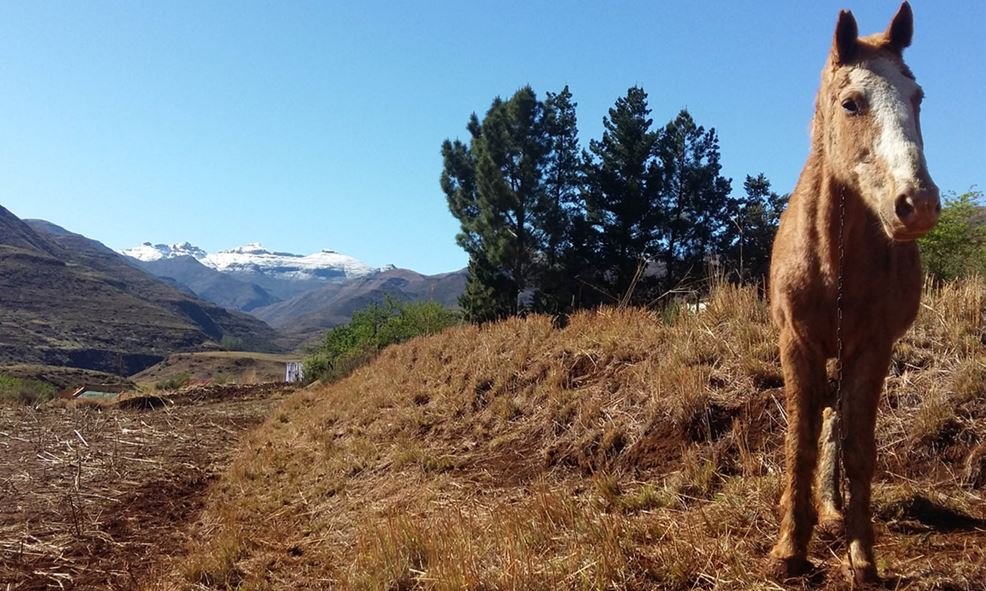

Lesotho’s livestock sector is under renewed threat after an outbreak of African Horse Sickness (AHS) claimed the lives of 67 horses, raising urgent concerns over disease control, animal movement and the country’s overall biosecurity readiness.
The outbreak, confirmed by Minister of Agriculture, Food Security and Nutrition Thabo Mofosi in Parliament this week, has already spread across key districts including Maseru, Mohale’s Hoek, and Semonkong, signalling a fast-moving crisis affecting equine populations.
Mofosi said the disease was likely introduced through the movement of infected horses into the country, underscoring growing vulnerabilities in border control and animal monitoring systems.
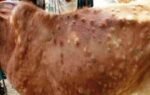
AHS is a viral disease transmitted by mosquitoes and affects horses, donkeys, mules and zebras. In severe cases, it can lead to sudden death. Common symptoms include difficulty breathing, swelling around the head and neck and rapid physical deterioration.
Farmers have been urged to immediately isolate infected animals to limit further spread.
The Ministry has moved to contain the outbreak, with Mofosi confirming that efforts are underway to secure vaccines and to work closely with affected farmers. However, uncertainty remains around the specific strain currently circulating.
He noted that investigations are ongoing to determine the exact type of virus involved, with samples expected to be analysed in South African laboratories to guide response measures.
According to the World Organisation for Animal Health (WOAH), the sickness is an infectious but non-contagious viral disease that disrupts the respiratory and circulatory systems in affected animals. It is spread by Culicoides midges and exists in multiple forms, including pulmonary, cardiac, mixed and horse sickness fever, each carrying varying levels of severity.
The outbreak comes at a time when Lesotho is still grappling with other livestock health challenges, including the lingering threat of foot-and-mouth disease. The country has yet to fully stabilise its animal health status following outbreaks linked to regional transmission, particularly from neighbouring South Africa.
This overlap of diseases is intensifying pressure on an already fragile agricultural system.
While the Ministry has acknowledged the seriousness of the outbreak, Mofosi indicated that the full cost of containment efforts is still being assessed, with ongoing studies expected to inform the budget required for an effective response.
He added that plans are in motion to strengthen laboratory capacity and increase manpower, steps seen as critical to improving disease detection and response times.
The outbreak has also raised concerns around recent large-scale equine gatherings. Just weeks ago, the country hosted its annual horse race event in Peka to commemorate King Moshoeshoe I, sparking fears that such events could accelerate the spread of the disease if not tightly controlled.
Currently, Lesotho lacks a unified traceability framework for horses and other equids. While some monitoring mechanisms exist, there is no consistent national approach to registering animals, tracking movement, or enforcing biosecurity protocols.