



…Lesotho’s Agriculture Sector Buckles Under Rising Costs
Lesotho’s farmers are no longer just battling droughts and disease; their biggest fight is now at the fuel pump.
A steep rise in fuel prices, driven by global tensions in the Middle East, is sending shockwaves through the country’s agricultural sector, raising production costs, squeezing profits, and threatening food supply chains.
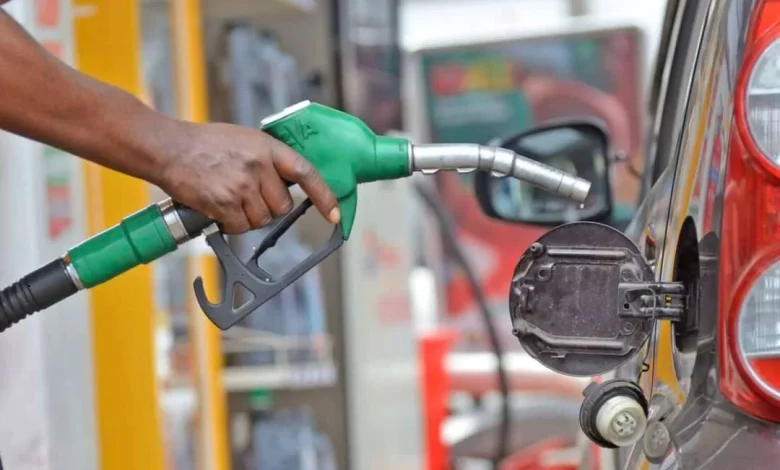
Despite government subsidies, the increases remain severe. Diesel, the backbone of farming operations, now costs over M30 per litre, sharply pushing up the costs of ploughing, planting, irrigation and transport.
For farmers, the impact is immediate and unavoidable.
“Farming is a continuous, extended cycle, which translates into heavy and constant fuel dependence,” said Khotso Lepheane, Executive Director of the Lesotho National Farmers Union (LENAFU).
From the moment inputs are sourced, costs begin to climb.
“Rural farmers face long journeys, and any fuel price hike directly inflates the cost of essential items like seed and fertiliser. The entire production cycle’s cost base increases significantly before planting even starts.”
Once in the field, the pressure intensifies. Machinery, irrigation systems and crop protection all depend on fuel, all costs that farmers cannot escape.
“Any increase in fuel prices instantly raises the costs of tillage, planting and weeding, further eroding farmers’ profit margins,” Lepheane warned.
In rural Lesotho, where electricity is often unavailable, the situation is even more difficult.
“Fuel powers not only machinery but also essential household functions like lighting, cooking and water pumping,” he said, noting that rural farmers are hit hardest.
The consequences are already unfolding.
“From planting to irrigation and transportation, nearly every stage depends on fuel. As prices climb, these essential activities are being scaled down or abandoned altogether.”
The timing could not be worse. With the winter planting season approaching, farmers are being forced to rethink production plans.
“The winter planting season is going to be more expensive than ever,” said Fako Fako of the SMARTD programme. “Smallholder farmers may not be able to afford it.”
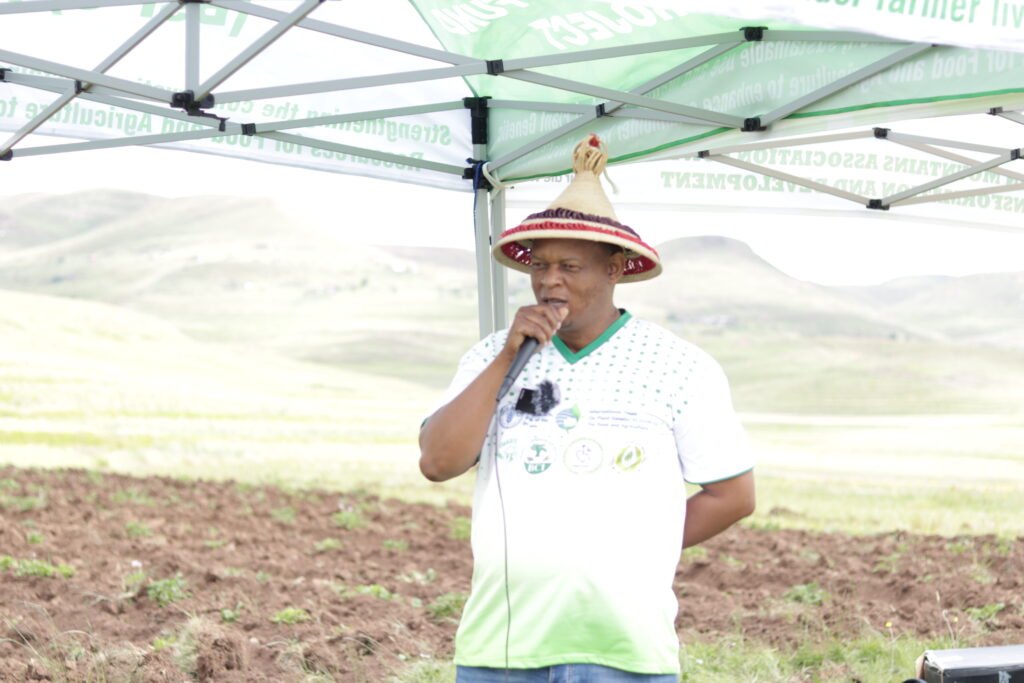
He warned that higher costs will translate directly into lower yields.
“The higher the fuel prices, the lower the production.”
Transport is emerging as another breaking point. Farmers moving produce from remote areas to markets like Maseru now face sharply increased costs.
“The big question is: are Basotho ready to buy expensive products?” Fako asked.
Across the sector, the strain is deepening.
Livestock farmers are paying more for feed and transport. Poultry producers are struggling to maintain operations.
“Delivering meat to the market is going to cost more,” said Mpati Makotoko of Sunshine Poultry Farm.
“I am wondering if my customers will even understand when I increase prices.”
She warned that production itself is at risk.
“Poultry sheds need constant power, and now it is going to be very hard. All these shocks are going to affect the value chain of rearing chickens.”
Rising input costs are also forcing difficult trade-offs.
“The combined input costs will lead to layoffs and reduced flocks,” she said.
Hatcheries are under similar pressure.
“Hatcheries need nonstop electricity, with diesel backups, which will be very costly,” said Rethabile Mokaeana of Letsiboho Poultry Farm, adding, “We have to make new arrangements.”
The ripple effects extend far beyond individual farms.
Global institutions have warned that rising fuel costs are driving up food production expenses worldwide. In import-dependent economies like Lesotho, the impact is sharper, tightening supply chains and pushing food prices higher.
For many farmers, the margins are already too thin to absorb the shock.
“Each litre of fuel that becomes harder to afford translates into less land cultivated, fewer crops harvested, and reduced income,” Lepheane said.
What began as a global energy crisis is now a local agricultural emergency.
“The fuel price shock is no longer limited to the forecourt,” Lepheane concluded. “It has reached the heart of agriculture.”