








…as Child Stunting Remains at 36%
With more than one in three children under five affected by stunting, Lesotho is seeking to strengthen its response to malnutrition through a newly established civil society alliance intended to bring together organisations working across nutrition, agriculture, health and community development.
The alliance aims to address longstanding fragmentation among organisations implementing nutrition programmes while creating a stronger platform for community participation, policy advocacy and accountability.
Linked to the global Scaling Up Nutrition (SUN) Civil Society Network, the initiative is expected to unite non-governmental organisations, community-based groups, academic institutions, the media and other stakeholders working to improve nutrition outcomes for children, women and vulnerable households.
Its establishment comes against a troubling national nutrition picture, with figures presented by the Food and Nutrition Coordination Office indicating that child stunting remains at 36 per cent. In comparison, Qacha’s Nek records a particularly high prevalence of 48 per cent.
Stunting, which occurs when children experience impaired growth associated with prolonged inadequate nutrition, repeated infections and other adverse conditions, can have lasting consequences for physical development, learning and future productivity.
The figures underscore the importance of tackling malnutrition as both a public health concern and a national development challenge, the Food and Nutrition Coordination Office official Mapaballo Putsoa said.
She indicated that Lesotho continues to experience a double burden of malnutrition, with undernutrition persisting alongside overweight and other nutrition-related health problems.
“Lesotho is faced with a double burden of malnutrition, and stunting remains high. We must work harder to reduce both undernutrition and overweight.”
According to Putsoa, the country’s stunting rate has remained at about 36 per cent since 2019, pointing to the need for more effective and sustained interventions.
“We have been sitting at 36% stunting since 2019, and we remain above the World Health Organization threshold,” she said.
“Qacha’s Nek is the highest with 48%.”
“These figures raise concerns about the effectiveness and reach of existing nutrition interventions, particularly in communities where poverty, limited dietary diversity and difficulties accessing essential services can compound nutritional vulnerability,” Putsoa said.
She also highlighted challenges relating to breastfeeding and anaemia among women.
She reported that exclusive breastfeeding stood at 61 per cent, while anaemia remained a serious concern, particularly among pregnant women.
“We have anaemia at around 70%, especially among women, with about 54% among pregnant women and 51% among non-pregnant women.”
She explained that anaemia can affect maternal health and increase the risk of complications during pregnancy. At the same time, inadequate nutrition during early childhood can undermine growth, cognitive development and long-term well-being.
“ For Lesotho, these challenges extend beyond the health sector. They have implications for household food security, agricultural production, education and economic development,” she said.
Technologies for Economic Development co-founder, Mantopi Lebofa said civil society organisations had spent years implementing nutrition-related activities independently, often through separate projects and informal partnerships.
“Civil society organisations have been working in silos, working on nutrition issues through separate projects and informal partnerships.”
While individual organisations have contributed to nutrition awareness and community support, Lebofa said the absence of a unified platform had limited opportunities for stronger coordination and collective advocacy.
“The new alliance is expected to provide a structure through which organisations can share information, coordinate activities and contribute more effectively to national nutrition priorities. It is intended to unite efforts, improve communication, support accountability and ensure that communities are represented in national nutrition decisions,” she said.
Lebofa acknowledged that building a functional and sustainable alliance would require commitment, cooperation and effective leadership among participating organisations.
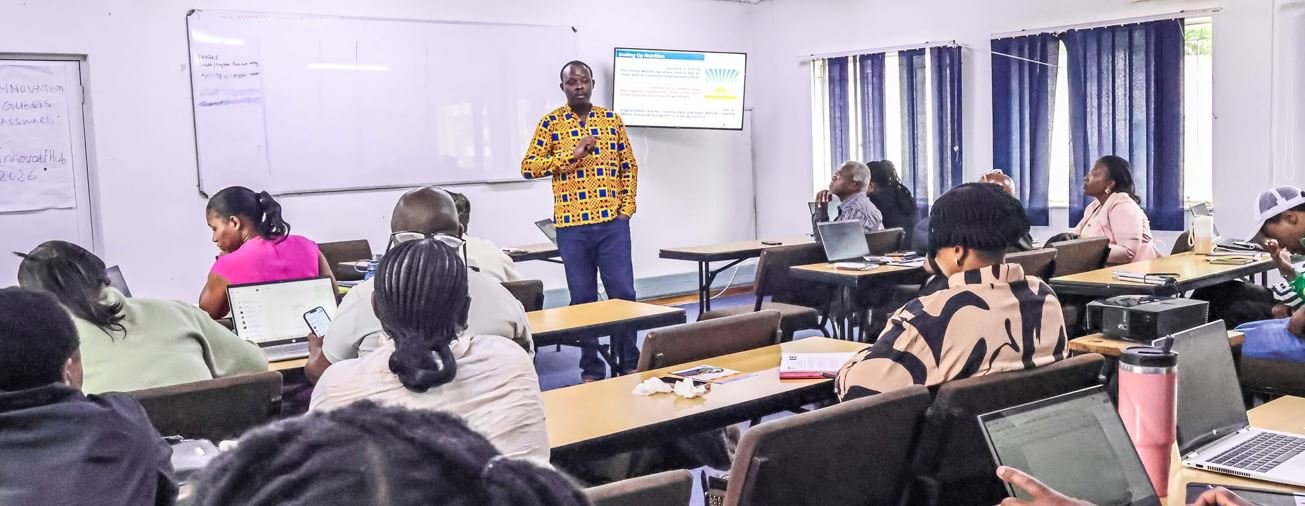
To support its establishment, representatives from Kenya, Malawi and Namibia were invited to share lessons from their experiences in developing civil society nutrition networks.
“We invited people from Kenya, Malawi and Namibia to share their experiences because they already have alliances in their countries. Their experiences will help us understand what is needed to establish a strong and sustainable alliance in Lesotho,” Lebofa explained.
She explained that the initiative seeks to strengthen the relationship between civil society and government while ensuring nutrition policies and programmes respond to the realities communities face.
Food and Nutrition Coordination Office representative Tiisetso Ellias, Lesotho’s SUN focal point, said the country’s nutrition challenges require a shift from repeated discussions to coordinated implementation.
“Our main priority is to do something meaningful about nutrition. We must move from discussing the challenges to taking coordinated action that improves the lives of Basotho families.”
Ellias also emphasised the importance of aligning national nutrition efforts with the advocacy of His Majesty King Letsie III, who has championed nutrition and food security at national, regional and international levels.
“His Majesty King Letsie III is a nutrition champion. We have to work towards aligning with his position and make the nation free from malnutrition.”
“The King’s advocacy has consistently drawn attention to child stunting, food insecurity and the need to invest in the health and development of children, and his work as African Union Champion for Nutrition and Food Security has also reinforced the importance of treating nutrition as a development priority requiring cooperation across sectors,” Ellias said.
The Lesotho National Federation of Organisations of the Disabled representative Rabasotho Moeletsi said effective nutrition programmes must be inclusive and recognise the needs of communities that are often excluded from development planning.
“Civil society must help connect the state, the market and communities. A nutrition response will only work if it is inclusive and if communities are part of the decisions that affect them,” Moeletsi said.
He called for persons with disabilities, women, children, rural households and other vulnerable groups to be meaningfully included in nutrition programmes and policy discussions.
Moeletsi also emphasised that nutrition should be addressed alongside broader development priorities, including family planning, agriculture, healthcare, education and access to essential services.
“Nutrition and family planning coexist,” he said.
“Healthy households need coordinated support across health, food systems, education and other areas of development.”
Ministry of Agriculture, Food Security and Nutrition, nutrition manager, Mantoetsi Matsepe similarly called for clear institutional arrangements that would enable the alliance to function effectively.
“We need proper structures, better communication, stronger coordination, planning and reporting. We also need accountability and advocacy for nutrition to receive the budget priority it deserves.”
Representatives from established SUN civil society networks in Kenya, Malawi and Namibia shared experiences on governance, leadership, advocacy, resource mobilisation and the coordination of nutrition programmes.
Kenya SUN Civil Society Network chairperson Edgar Okoth urged Lesotho to develop a clear operational roadmap that would guide the alliance’s establishment and long-term development.
He recommended prioritising organisational strengthening, capacity building, resource mobilisation and advocacy, while ensuring that the platform remained locally led and accountable to the communities it intended to serve.
“As the new alliance takes shape, it should replace isolated interventions with a united national movement. Lesotho needs a clear goal to ensure that every Mosotho child has access to the food, care and services needed to grow, learn and thrive.”
However, Okoth cautioned against adopting models from other countries without considering Lesotho’s particular institutional, economic and nutritional circumstances.
“What works for Namibia, Kenya and Malawi may not work for Lesotho; therefore, Lesotho must build an alliance that responds to its own context and the state of nutrition in the country.”