
Six months after Lesotho confirmed its first case of Foot-and-Mouth Disease (FMD), the country is still waiting for vaccines, leaving hundreds of livestock farmers without what veterinary officials describe as one of the most important tools needed to contain the disease and protect recovering animals.
Although surveillance, movement controls and public awareness campaigns have been rolled out since the outbreak was confirmed in February, the anticipated vaccines have yet to arrive, prolonging uncertainty for farmers whose livelihoods continue to be affected by the outbreak.
The first confirmed case was detected on 18 February in Mahlasela, Butha-Buthe, where six out of 17 cattle sampled tested positive for the highly contagious viral disease. The outbreak occurred near the South African border, where FMD had already spread through neighbouring provinces.
Veterinary officer Dr Mookho Ntiea said while veterinary teams have managed to track the disease through continuous surveillance, the delayed arrival of vaccines remains a major challenge in the country’s response.
“As veterinarians, we have travelled throughout the country collecting blood samples from animals in different kraals before testing them in the Ministry’s laboratory,” she said.
“When further analysis is required, the samples are sent to Botswana for additional testing.”
According to Dr Ntiea, more than 400 confirmed cases have been recorded across the country since the outbreak began. She said 102 cases were confirmed in Qacha’s Nek and Mokhotlong during February, followed by 168 in Leribe, 111 in April, 32 in May and 24 in June.
Although the number of new infections has declined over the past three months, she warned that the absence of vaccines continues to leave livestock vulnerable.
“Because of the delay in the arrival of the vaccine, I do not think Foot-and-Mouth Disease has disappeared. Instead, farmers have become tired of reporting sick animals without receiving the vaccine,” she said.
Dr Ntiea said the government placed vaccine orders months ago, but regional demand has delayed deliveries as several southern African countries continue battling outbreaks.
“The government ordered the vaccine long ago. Unfortunately, many countries are currently battling Foot-and-Mouth Disease, resulting in long waiting periods.”
To help address the shortage, Botswana pledged to donate 100,000 doses of FMD vaccine to Lesotho following discussions during the inaugural Lesotho-Botswana Bi-National Commission meeting.
However, Dr Ntiea said the donated vaccines have not yet reached the country.
“The 100,000 doses from Botswana have not yet arrived in Lesotho, and even when they do, they will only be enough for a district with a relatively small livestock population such as Butha-Buthe,” she said.
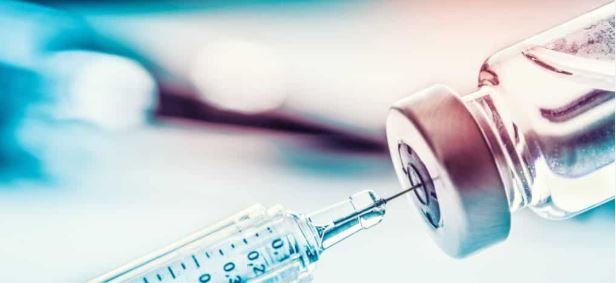
She explained that each animal requires a three-millilitre dose and follow-up vaccinations, meaning Lesotho will still need to procure additional vaccines if it hopes to protect livestock nationwide.
In the meantime, infected animals continue to be quarantined on farms because Lesotho has no dedicated quarantine facilities.
“The animals have recovered from the visible symptoms, but their immune systems remain weak, and they still require vaccination,” Dr Ntiea said.
While waiting for the vaccines, the Ministry of Agriculture has focused on strengthening disease surveillance and public education.
Ministry Public Relations Officer Lereko Masupha said roadshows conducted across the country have improved farmers’ understanding of Foot-and-Mouth Disease and encouraged compliance with movement restrictions and reporting procedures.
“Through the roadshows, Basotho now understand Foot-and-Mouth Disease and can follow the regulations,” he said.
The prolonged wait for vaccines has also extended the economic impact of the outbreak.
Restrictions on livestock movement disrupted cattle sales, interrupted breeding programmes and affected the wool, mohair and cattle industries, leaving many farming households without an important source of income.
Minister of Agriculture, Food Security and Nutrition Selibe Mochoboroane said the outbreak had affected both farmers and the broader livestock economy.
“Agricultural production was interrupted. Some farmers lost livestock, while others could not sell their products because Foot-and-Mouth Disease affected the market,” he said.
He added that the suspension of breeding livestock imports, including rams from South Africa, had further slowed efforts to improve herd quality.
“Recovering from these setbacks will take time, but we are working to restore trade and reopen export opportunities,” the Minister said.
For farmers, however, the continued wait for vaccines has become increasingly frustrating.
Lebohang Mosaola of Leseli la Lihoai said many livestock owners feel they have been left on the sidelines of the country’s response.
“I have seen the Ministry working in isolation since the disease was declared,” he said.
“Some of us are not fully informed about issues affecting our livestock, yet we are the people responsible for raising these animals.”
He said farmers expected closer collaboration between government and farming organisations throughout the outbreak.
“The only time I heard about the vaccine was when the Minister announced Botswana’s donation.”
Although veterinary authorities believe surveillance and movement controls have slowed the spread of the disease, they say vaccination remains a critical missing component of Lesotho’s response. Until vaccines arrive, farmers will continue relying on biosecurity measures and movement restrictions to protect their livestock while waiting for the country’s next line of defence.