


A sharp rise in fuel prices has sparked concern over Lesotho’s food security, with former Prime Minister Dr Moeketsi Majoro warning that the ongoing Iran–Israel conflict could threaten future harvests.
“The US elects its president in 2024, and he takes office in January 2025. In just over a year, missiles rain down on the Middle East. At week four of the war, our diesel price jumps by M13 per litre to about M32 per litre, and we are not at war,” Majoro recently said.
“At this price, I don’t know how farmers afford diesel. Crude oil is selling at $115 per barrel, and this links directly to unaffordable fertiliser. Is the 2027 harvest in peril?” he added.
Majoro’s remarks came as the Iran–Israel war entered its fourth week, with its economic shockwaves beginning to affect countries far beyond the conflict zone.
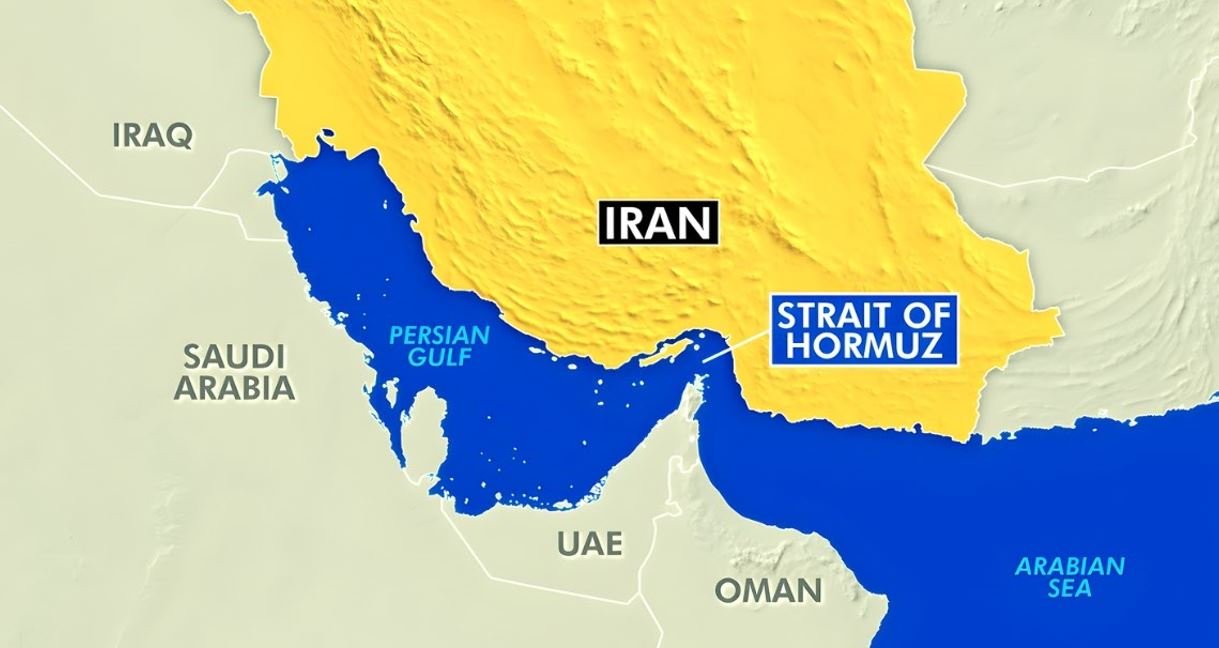
The Food and Agriculture Organisation (FAO) of the United Nations (UN) warned that the conflict is disrupting global fertiliser supply chains, largely due to instability in the Strait of Hormuz, a key shipping route through which about a quarter of the world’s fertiliser passes.
Rising energy prices are compounding the problem. Nitrogen-based fertiliser production depends heavily on natural gas, meaning higher fuel costs are directly driving up fertiliser prices.
Early signals from international markets show increases in the prices of staple food commodities such as wheat, rice, and vegetable oils. While still below the peaks recorded during the Russia-Ukraine War, the FAO Food Price Index begun trending upward again between February and March 2026.
For Lesotho, the impact is particularly acute. The country relies heavily on South Africa for fertilisers and agricultural inputs. In 2024, Lesotho reportedly imported fertilisers worth over US$9 million, much of which originated from Gulf countries such as Saudi Arabia and Qatar via South Africa.
The Southern African Agricultural Initiative recently reported that fertiliser prices rose sharply in early March due to disruptions linked to the Strait of Hormuz. South Africa imports around 80 percent of its fertiliser needs, exposing the entire region, including Lesotho, to global supply shocks.
Globally, production is also under pressure. QatarEnergy has halted output at major urea plants following disruptions to gas supply, while countries such as India and Bangladesh have reduced fertiliser production due to shortages of liquefied natural gas.
According to The Fertilizer Institute, the fertiliser market is highly interconnected, meaning disruptions in one region can quickly affect availability and pricing worldwide.
For Basotho farmers, the combination of rising diesel prices and increasing fertiliser costs presents a serious challenge. Fuel is essential for ploughing, planting, and transporting produce, while fertilisers are critical for maintaining soil fertility and crop yields.
Any prolonged disruption could significantly reduce agricultural output, particularly for smallholder farmers who already face resource constraints.
The situation is further complicated by climate pressures, with the FAO warning that declining access to farming inputs could worsen yields, especially in already fragile soils.
Experts caution that Africa remains highly vulnerable due to its reliance on imported agricultural inputs. For Lesotho, the current crisis underscores the risks of dependence on external supply chains for essential farming resources.
Majoro’s warning about a potentially threatened 2027 harvest reflects a growing concern that the effects of today’s global conflict may not only be immediate, but could also shape the country’s food security in the years ahead.
As the war continues, its full impact remains uncertain. However, for Lesotho, the message is already clear: a distant conflict is beginning to hit close to home.