


Six months after Lumpy Skin Disease (LSD) swept through Lesotho’s cattle population, veterinary officials say the outbreak has largely been brought under control. For many livestock farmers, however, the economic and production losses continue to shape their recovery.
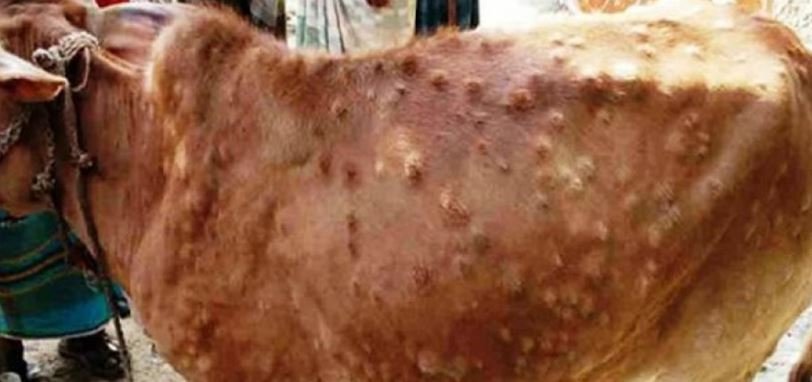
The disease, first detected in January this year, spread rapidly across several districts, infecting more than 1,000 cattle and claiming dozens of animals before emergency interventions and the onset of winter slowed transmission.
While new infections have declined significantly, the outbreak exposed weaknesses in emergency disease preparedness, veterinary service delivery and farmer awareness, prompting renewed calls for stronger prevention systems before the next warm season.
For the Lesotho National Farmers’ Union (LENAFU), the outbreak was unlike anything farmers had anticipated.
“The outbreak came at a time when we did not expect it, and its magnitude was also greater than what we anticipated. It affected farmers greatly by negatively affecting their production, their herds and their finances,” said LENAFU Executive Director Khotso Lepheana.
Beyond losing animals, many farmers were forced to absorb the cost of treatment while production declined.
“When the outbreak happened, farmers had to use their own resources to get medication for their animals. Although the Ministry did intervene and provide assistance to contain the disease and support farmers, there were challenges that affected how quickly some farmers could access these services,” he said.
One of the greatest obstacles, Lepheana explained, was that many cattle had already been moved to remote cattle posts by the time vaccination campaigns were rolled out.
“Many animals were already at cattle posts when the outbreak occurred. For farmers to access vaccination services, they had to bring their animals to where the vaccinations were taking place. However, sick animals cannot travel long distances, and this meant some farmers were unable to access assistance immediately.”
The disruption extended beyond beef production. Dairy farmers supplying milk collection centres also saw production fall sharply as infected cattle became weak and unproductive.
“Farmers who were supplying milk to collection centres lost their means of income because production declined. They only managed to return to normal production once they had contained the disease and their animals had recovered,” Lepheana said.
He cautioned against assuming that all livestock producers have recovered equally.
“The magnitude of the impact was different from farm to farm due to challenges such as limited information dissemination and difficulties accessing services. Recovery is going to be different for every farmer.”
“Some farmers have already recovered because they had easier access to services and resources, or because they were not badly affected. For others, recovery will take longer because they experienced greater losses or could not access support at the right time.”
From the government’s perspective, the disease is no longer spreading at the rate seen during the summer outbreak.
Director of Veterinary Field Operations Dr Mookho Ntiea said the arrival of winter played an important role in reducing transmission because the insects responsible for spreading the virus became less active.
“Since the winter season began, we have noticed that the number of cases has declined. The outbreak was mainly associated with biting insects, including mosquitoes, which are more active during warmer seasons.”
She confirmed that the last reported cases were recorded in April, signalling that emergency control measures had succeeded in containing the outbreak.
Dr Ntiea said the experience demonstrated that routine livestock management alone is not always sufficient when highly infectious diseases emerge unexpectedly.
“The outbreak caught us by surprise and spread very quickly. Normally farmers vaccinate their animals as part of livestock management, but because this outbreak spread rapidly, the Ministry had to intervene through emergency disease control measures, including supporting affected farmers.”
Looking ahead, she urged farmers to strengthen preventative measures rather than waiting until another outbreak occurs.
“The best way to prepare for the next outbreak and prevent future cases is to prepare before the warm season begins. Farmers must control biting insects such as mosquitoes and ensure that their animals are vaccinated as part of routine disease prevention.”
The experience has reinforced the value of early vaccination and close cooperation with veterinary officers for farmers who lived through the outbreak and loss.
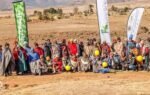
Thabo Masiu, whose herd was affected by the disease, said government support helped restore the health of his cattle.
“After my cattle were vaccinated against Lumpy Skin Disease, some of the animals developed mild swelling at the injection site and appeared less active for a short period.”
Although initially concerned, he said the animals recovered quickly.
“The signs gradually disappeared within a few days. The cattle returned to grazing normally and showed no further signs of illness. This gave me confidence that they had recovered well after the vaccination campaign.”
Despite that positive outcome, the emotional and financial toll remains vivid.
“It was a very tough time for me as a farmer. Seeing your animals affected by a disease is stressful because livestock is not only an investment but also a source of livelihood. Going forward, we need to do better by ensuring that our animals are vaccinated and that we take preventative measures seriously.”