






…Lesotho imported over US$9.5 million worth of fertilisers in 2024
For farmers, the cost of war is not measured in headlines, but in inputs. It shows up in the price of fertiliser, in delayed shipments and in the growing uncertainty of whether the next planting season will be viable.
The ongoing conflict between Iran and Israel is now sending ripples through global agricultural systems, disrupting fertiliser supply chains, pushing up energy prices and threatening food production far beyond the Middle East.
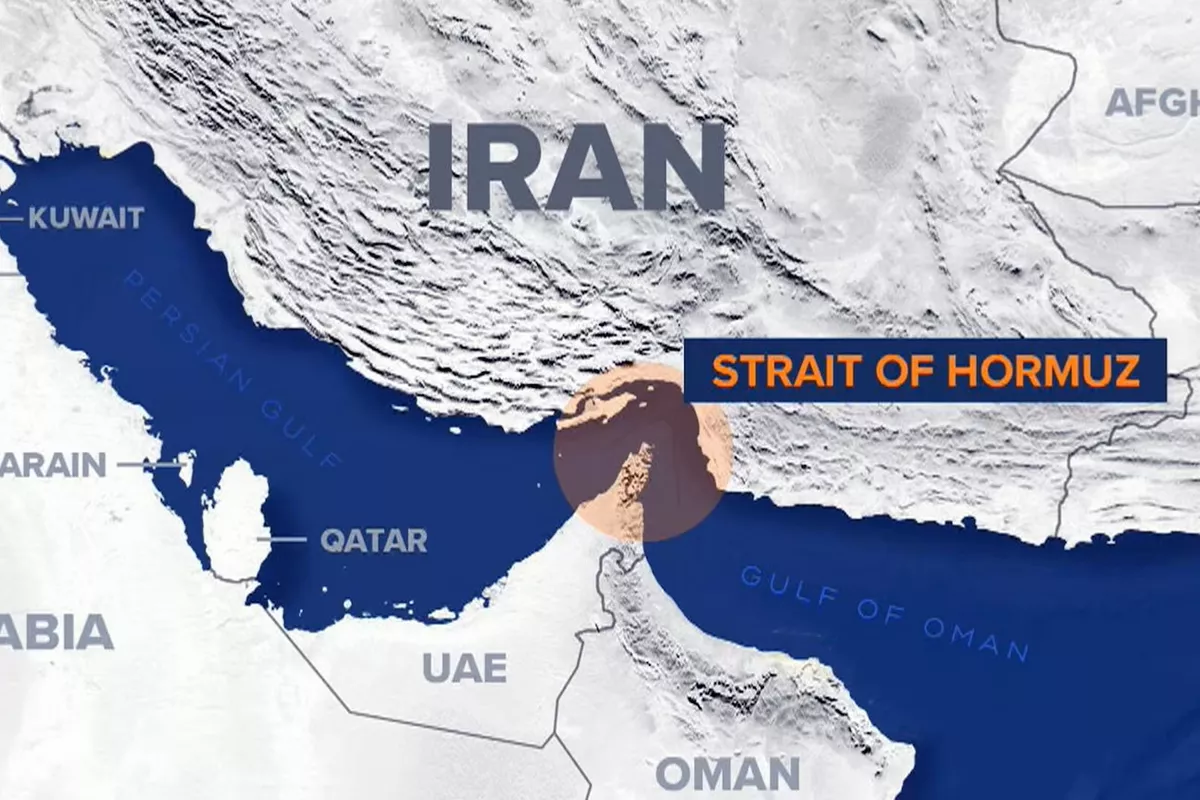
At the centre of the disruption is the Strait of Hormuz, a critical global shipping route through which a significant portion of the world’s fertiliser passes.
According to the Food and Agriculture Organization of the United Nations (FAO), about a quarter of global fertiliser trade moves through this corridor.
Early signs of pressure are already visible in international markets. Prices for key food commodities such as wheat, rice and vegetable oils have begun to rise.
While the FAO Food Price Index remains below the peak levels recorded during the Russian invasion of Ukraine, it has started trending upward again in early 2026, reflecting renewed instability in global markets.
The FAO warns that the situation could worsen if the conflict persists.
“The current conflict in the Persian Gulf has already had a significant impact on the global energy, fertiliser and agricultural systems. Specifically, since nitrogen fertiliser production heavily relies on natural gas as a raw material, the blockade of the Strait of Hormuz has led to rising energy prices, further increasing production costs,” FAO stated.
According to the food organisation’s projections, fertiliser prices could rise by 15%-20% in the first half of the year, with energy costs driving increases across the agricultural value chain.
The interconnected nature of the global fertiliser market means that disruptions are rarely isolated.
The Fertiliser Institute (TFI) highlighted how quickly supply shocks can spread across regions.
“The disruption affects fertiliser availability and pricing in multiple regions, including countries that may not directly import products from the affected area.”
In Southern Africa, the effects are already being felt.
The Southern African Agri Initiative (SAAI) reported that fertiliser prices rose sharply in early March following disruptions linked to the Gulf region.
“South Africa imports roughly 80% of its fertiliser needs, with a notable portion of nitrogen-based products like urea historically sourced from the Persian Gulf region, which plays a big role in the global supply of urea, ammonia and related inputs,” said Francois Rossouw, CEO of SAAI.
Globally, production has also been affected. Major fertiliser plants have reduced or halted output due to disruptions in gas supply. In Qatar, operations at one of the world’s largest urea plants have been affected, while in India and Bangladesh, several facilities have scaled back or shut down operations entirely.
Countries heavily dependent on imports are particularly exposed. India, which relies on the Middle East for a large share of its fertiliser supply, faces shipment delays. Brazil, almost entirely dependent on imported urea, remains vulnerable due to its reliance on shipping routes through the Strait of Hormuz.
Even in the United States, shortages are emerging, with fertiliser supplies estimated to be about 25% below expected levels for this time of year.
In South Africa, the risks are amplified by a structural dependence on imports. Wandile Sihlobo, Chief Economist of the Agricultural Business Chamber of South Africa, warns that the country remains highly exposed to global disruptions.
“If you are a grain farmer in South Africa, you are among the major users of fertiliser. The challenge is that we do not produce enough fertiliser domestically. South Africa imports roughly 80% of the fertiliser it uses, with annual consumption just over two million tonnes,” Sihlobo said, adding that much of South Africa’s fertiliser is sourced from regions such as the Black Sea and the Middle East; however, the ongoing conflict in the Middle East has raised concerns about fertiliser supply, logistics, and potential price increases.
“We are watching the worrying developments in the Middle East, which is important to South Africa both for exports and its influence on oil, fertiliser and gas prices. The conflict may disrupt exports of various products to the region. We are in a slow export period of the year; our fruit exports will gain momentum from May, while grain exports have been generally slow this year because of ample supplies in the world market. Meat markets are also facing challenges due to foot and mouth disease,” Sihlobo expressed.
For Lesotho, the impact is both direct and indirect.
The country relies heavily on South Africa for fertiliser and other agricultural inputs. According to trade data, Lesotho imported over US$9.5 million worth of fertilisers in 2024, making it highly vulnerable to supply disruptions further up the chain.
“The entire world is uncertain about what the future of the Strait of Hormuz will be, with a large percentage of raw materials needed for fertiliser production passing through the Strait. We can expect a substantial increase in the price of fertiliser,” said Tim Jandrell of Jandrell store.
Rising fuel prices are compounding the problem, increasing transport costs and pushing input prices even higher.
“Now, we must consider the effect the fuel price has had on transport costs and the expected sharp increase in fertiliser prices; a dismal picture appears for the planting season in 2026,” Jandrell added.
Local suppliers are already anticipating the pressure.
“As stores that sell farming inputs and tools, we have yet to face high prices when buying inputs on a large scale from big companies, and our problems continue with customers facing high prices because we will be charging them accordingly.”
Jandrell warned that Lesotho’s limited position in global supply chains leaves it particularly exposed.
“Lesotho is not high on the list of any of the key energy suppliers; the future of the agricultural sector holds a lot of uncertainty.”
This vulnerability has reignited calls for a shift in how the country approaches soil fertility and agricultural sustainability.
Khotso Lepheane, Executive Director of Lesotho National Farmers Union (LENAFU), stressed that reliance on imported fertilisers is no longer sustainable.
“The dependence on our neighbouring country should prompt farmers and policymakers to deeply rethink how Lesotho manages soil fertility and food production in an era of climate change.”
“Lesotho has grown too reliant on external supply chains, which are at risk of global disruptions and can leave farmers without essential inputs.”
He advocated for a gradual return to organic fertilisation methods: “We have moved away from using organic fertiliser, and now that the world is changing, it is time to look back and use what we have.”
However, he cautioned that such a transition would not be immediate.
“Lesotho is far from using organic fertilisers, as a successful transition to such practices would require significant time, commitment and careful planning from farmers and agricultural stakeholders.”
“It will take farmers time to zone land and maintain their soil fertility in the era of climate change.”
Fertilisers remain essential to agricultural productivity, supporting crop growth, improving yields, and sustaining rural livelihoods. Without reliable access to these inputs, food systems become increasingly fragile.