

… Marks Milestone in Smart Farming
Rain Farm celebrated a remarkable journey with the Second Smallholder Agriculture Development Project (SADP II) at Ha Makhalanyane with ululations, songs, poems, and smiles. The event brought together the Makhalanyane community, Sekete Primary students, and farmers from across Lesotho, marking the achievements of Rasekoala’s farming venture.
“I grew up watching my mother plant cabbage and make enough profits to support my six siblings and me,” Rasekoala shared. “She paid our school fees and met all our household needs. Seeing her farm inspired my love for agriculture.”
Following in his mother’s footsteps, Rasekoala pursued agriculture in high school, later specialising in soil science and resource conservation. “I am a hydropedologist by profession, and I want to use my skills at Rain Farm to contribute to food production for Lesotho,” he said.
Founded in 2019, Rain Farm started on 7,000m² of land. Rasekoala recalled the early challenges: “Producing thousands of tomato and cabbage seedlings in open fields exposed them to pests and diseases.
Carrying watering cans for 4,000 seedlings was physically exhausting, and often there were no profits after all the hard work.” Climate change and market constraints further complicated production, resulting in losses.
The breakthrough came in 2022 when Rain Farm was selected for the SADP II grant. “I was thrilled to join the programme. It transformed Rain Farm and benefitted the surrounding community,” Rasekoala said.
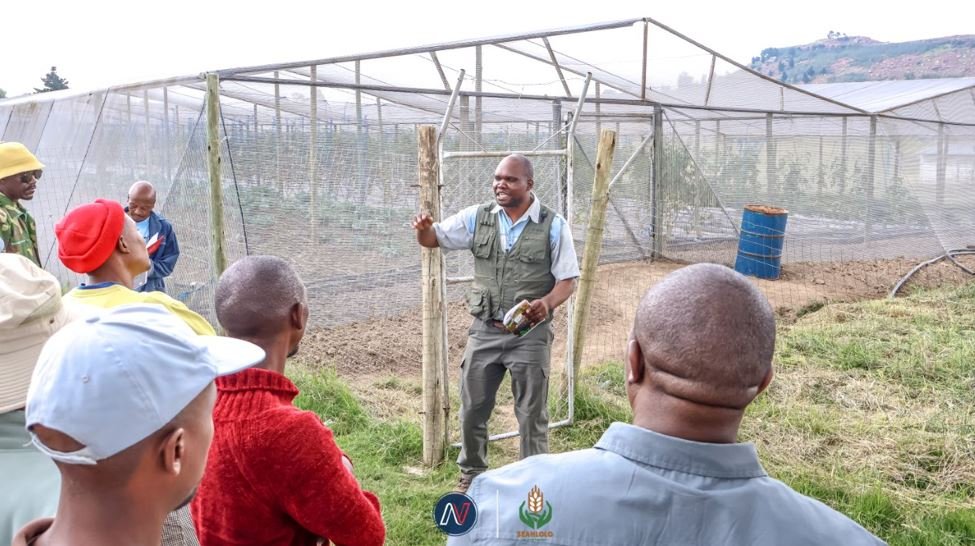
With SADP II support, Rain Farm installed shade nets, modernising operations from open fields to smart farming. “Shade nets protect crops from direct sunlight, insects, pests, and diseases, and production has increased significantly,” he explained. Boreholes were also installed, replacing manual watering with automated irrigation, making farm management more efficient.
Today, Rain Farm plants 4,000 tomato seedlings across 98,000m² and employs two permanent staff and 10–15 temporary workers. “I am proud to reduce youth unemployment while contributing to national food production,” Rasekoala said. The farm supplies local supermarkets, Sekete Primary School, and outlets in Qacha’s Nek, producing tomatoes, peppers, and cabbage.
Despite challenges, including early blight disease in 2023–2024, Rasekoala expressed gratitude to SADP II and the Ministry of Agriculture for their guidance and training. “SADP II is more than funding; it provides knowledge, mentorship, and tools that ensure long-term success.”
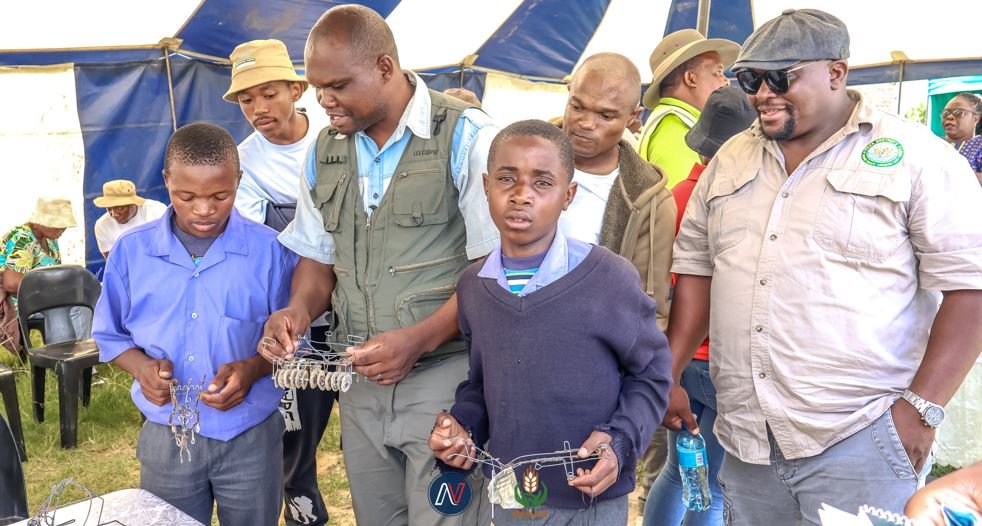
The graduation was highlighted by poems from Sekete Primary students celebrating the importance of farming. Participants toured Rain Farm’s shade nets, learning about crop management, soil preparation, and seed selection. Students were inspired by seeing firsthand how the farm supplies their school and returned home motivated to pursue future careers in agriculture.
Project Field Officer Lechesa Nthulenyane congratulated Rain Farm, emphasising that graduation marks the start of continued growth. “We hope every beneficiary excels after completing the programme. The lessons, workshops, and trainings are tools for future success,” she said.
Looking ahead, Rasekoala shared his vision: “I aim to turn Rain Farm into an agritourism site and climate-smart agricultural centre. I have acquired enough land to create more youth employment and expand food production for the nation.”
