


As food prices climb and household budgets tighten, more families are finding themselves buying less, stretching meals further and rethinking how they access food.
For some, the answer has been surprisingly simple: grow it themselves.
Across the capital, small patches of land, often overlooked are being turned into productive spaces.
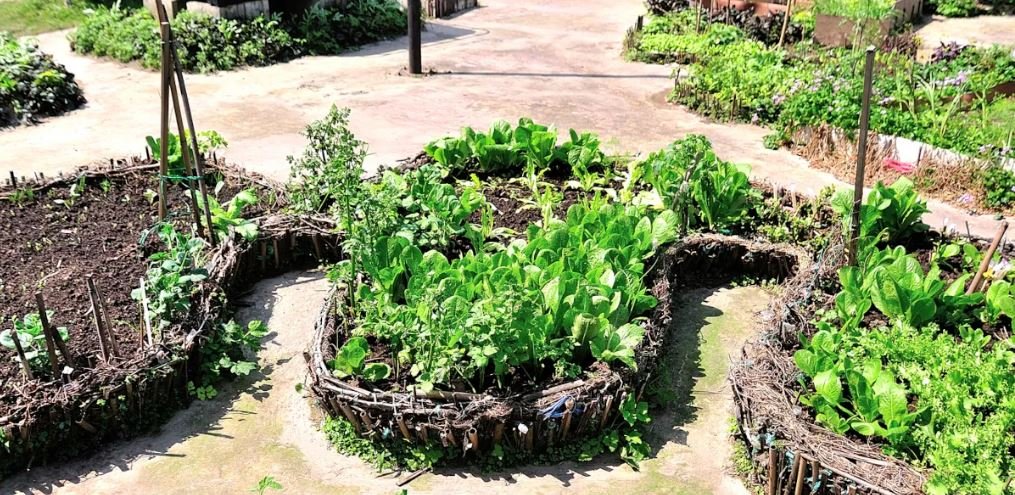
Tomatoes grow in buckets and balanced with sticks, spinach fills narrow backyard plots, and herbs line fences and walls. What began as a practical response to rising costs is steadily becoming a quiet shift in how urban households survive food security.
With food prices increasing by nearly 20 percent in the past year and more than 60 percent of residents living in densely populated areas, the pressure on Maseru’s food system is intensifying.
According to the Lesotho Bureau of Statistics (2016 Census), about 25 percent of the population lives in urban areas, with Maseru accounting for the largest share. This continued urban growth has increased pressure on land, reducing space available for agriculture as settlements expand.
Rapid urban growth has reduced access to land, while many low-income households still travel long distances to find affordable produce.
In this environment, urban farming is no longer just an option but a growing necessity.
Driven by ongoing rural-to-urban migration the city continues to expand, often at the expense of land once used for cultivation. The World Bank estimates that rural-to-urban migration the city has since risen to around 29 percent, reflecting steady urban growth. As space shrinks, so does the ability of households to produce their own food, deepening reliance on markets that are becoming increasingly expensive.
Yet across high-density neighbourhoods, residents are finding ways to adapt, and Mamello Khama is among a growing number of urban farmers reshaping what agriculture looks like in the city.
Raised in a farming household in Mokhotlong, she once saw farming purely as a means of feeding a family. That changed after studying Professional Business Management at Limkokwing University.
“Back then, when I saw my parents till the land and farm, I only looked at it as a way of producing food for consumption, but now I am able to view farming in an entrepreneurial way to not only feed me, but financially sustain me.”
Faced with limited opportunities and high unemployment, Khama began planting vegetables wherever she could find space. Despite the constraints, her efforts quickly paid off.
“I have been consuming tomatoes that I grew myself for a long time,” she said, adding that she once harvested enough to pack a full box, she sells through her business.
Today, her garden does more than just supplement her meals, it reduces her expenses and gives her a sense of control in an uncertain economy.
“Everywhere I find space, I plant something,” she said.
“That really limits how much I can plant, but I try to make the most of what I have.”
Her experience reflects a broader reality across Maseru, where small-scale gardens are quietly transforming how families access food. Even limited harvests can supply households with vegetables for weeks, reducing dependence on purchased produce and improving diet quality.
Fako Fako, coordinator of the SMARTD programme, sees urban farming as more than a short-term coping strategy.
“Urban farming is very effective in improving food security at household level. We encourage farmers to grow a variety of crops so that they can move from farming for consumption to producing enough to sell.”
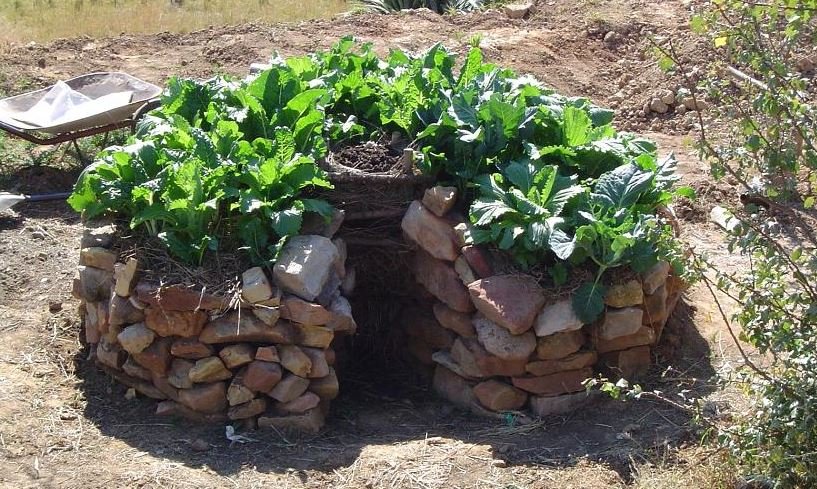
He noted that many urban farmers are already adopting sustainable methods, including the use of indigenous seeds and organic manure, making the practice both affordable and environmentally resilient.
“These practices make urban farming more sustainable and affordable,” he said.
Despite its growing role, urban farming in Maseru still faces clear limitations.
Space remains the biggest constraint, with most farmers relying on small backyards, containers, or improvised plots. Water shortages during dry periods, pest outbreaks, and limited access to training further restrict productivity.
There is also little formal policy support to help scale these efforts.
Monyane Rasebonang of the Rural Self-Help Development Association (RSDA) believes urban farming has far greater potential if properly supported.
“Backyard farming is easy to manage because it does not require large land. Everyone can access it and we advise people to use keyhole and drip plots for maximised production.”
However, he argues that mind-set remains a major barrier.
“Many people think healthy eating means spending more rather than growing food themselves. Farming is often seen as something from the past.”
He called for stronger policy direction, including encouraging households to actively use available land.
“There should be no exposure of soil. Land should be planted,” he said.
The bigger question, however, still lingers: can urban farming grow beyond household survival to meaningfully contribute to feeding the city?
For now, its impact is most visible at the household level, where it is reducing costs, improving nutrition, and offering a measure of resilience.
Maseru may not yet be able to feed itself. But in backyards, containers, and narrow strips of land across the city, something important is already taking root, a shift toward self-reliance, one small garden at a time.