

Risk is a one component that makes agriculture what it is, a constant headache that is often ignored.
A single afternoon of heavy snowfall, drought or pest outbreak can erase years of investment, yet for many farmers, agricultural insurance remains out of reach, often viewed not as a necessity but as a luxury.
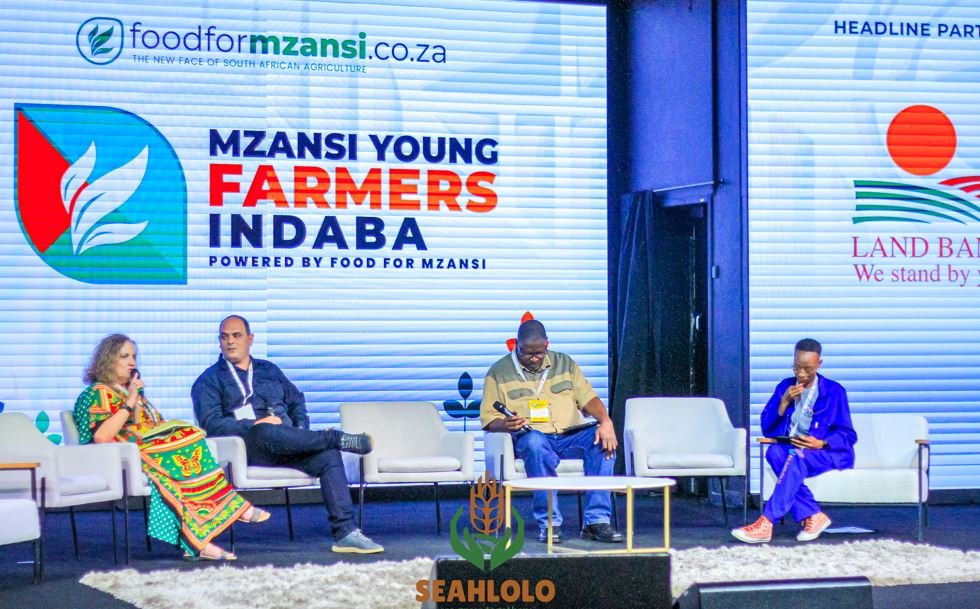
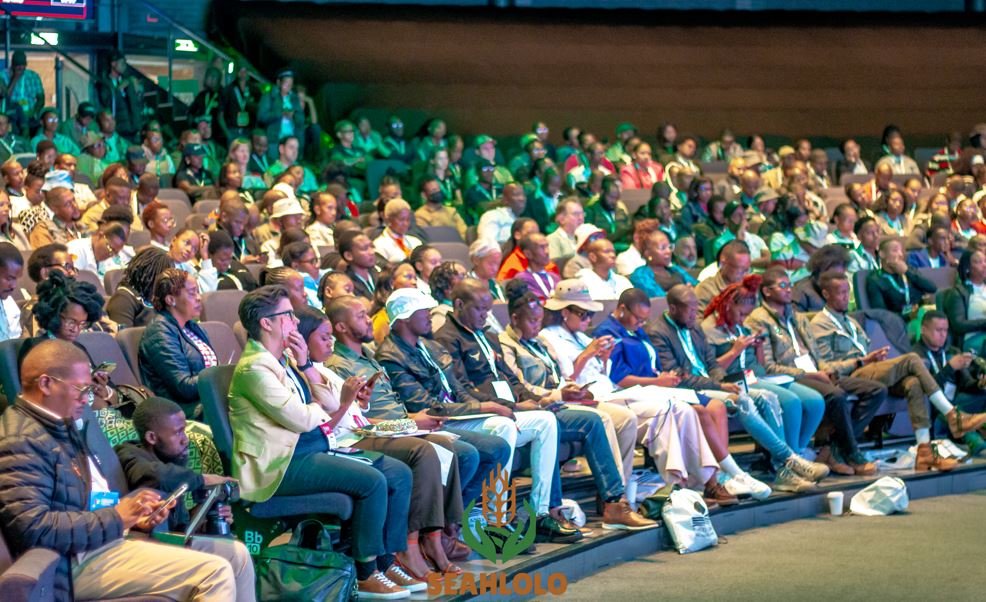
This tension came into sharp focus at the Mzansi Young Farmers Indaba in Pretoria, where a panel on agricultural insurance, moderated by Newsday Media Co-owner and Managing Editor, Lerato Matheka, examined the growing disconnect between insurance providers and the realities of farming.
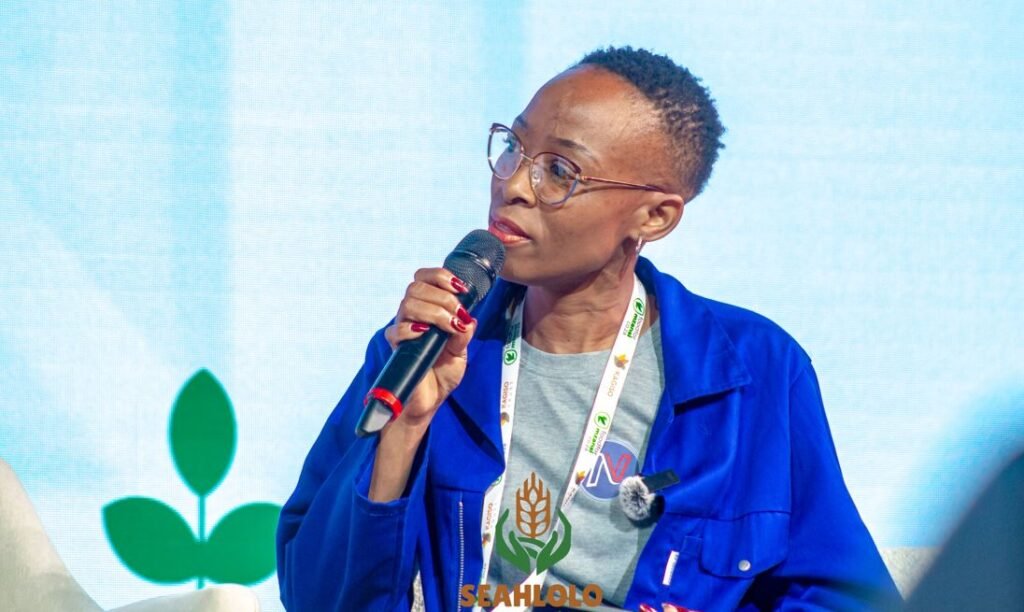
Opening the discussion, Matheka challenged the panel to confront a critical question: ‘why do farmers continue to perceive insurance as unaffordable, despite increasing climate risks?’
For Dr. Dalene Louw, CEO of AgriCulture Gauteng, the answer lies in both cost and perception, but also in systemic failure.
“Insurance is expensive, yes, but farmers must look at the broader picture. Climate change is already impacting production, and without protection, food systems themselves are at risk,” she said.
Louw noted that for many young farmers, insurance remains low on the priority list, often overshadowed by immediate operational costs. However, she argued that this mind-set cannot shift without structural intervention.
“If government provides assets like tractors, those assets should be insured by default. Insurance must be embedded into the system, not treated as optional.”
The panel also highlighted a deeper issue: many insurance models are poorly aligned with African agricultural realities. Products are often designed without sufficient understanding of local risks, cash flow cycles and farmer behaviour.
“It is time for African solutions to African problems,” Louw added, emphasising the need for context-driven innovation in agricultural insurance.
“We fight for farmers because we know their importance in food production, knowing what they need and how they need it is very important,”
“Let us speak to farmers and hear what they need, it is very important to work closely with people we serve so that we understand each other.”
Louw further requested farmers to come to the party by participating fully to get their voices heard.
“Today you get good yields, tomorrow fire or hail comes and the entire yields get destroyed, those are motivational risks enough to encourage farmers to get insurance.”
From an industry perspective, Eloff van der Spuy, a Broker Development Manager with Santam, pointed to the critical role of brokers in bridging the gap between insurers and farmers.
He argued that the modern broker must go beyond selling policies to becoming a strategic partner for farmers.
“It is advisable that farmers have a broker, because brokers work with agricultural experts and put the needs of the farmers in front of everything, farmers cannot do everything alone if they want farming success.
“We fight for farmers because we know their importance in food production, knowing what they need and how they need it is very important,” he said.
He added that the most effective brokers work closely with agricultural specialists, understand environmental trends and advocate strongly for farmers during claims processes.
Trust, however, remains a major barrier. Concerns around delayed payouts and lack of transparency continue to shape negative perceptions of insurance.
Addressing this, Andreas Mahlase, Executive Manager, Operations at the land bank highlighted the importance of improving collaboration between financial institutions and insurers.
“It is through collaborations that we will be able to deal with myths and misinformation, such as insurance companies not responding on time, because responding also differs.”
“Faster response systems, including rapid farm assessments, are critical to ensuring that farmers can recover quickly and keep their operations running,” he noted.
Mahlase stressed that what is important to understand is the assessment requirements to be done, noting those can only be done through farm visits and other means before claims are approved.
At its core, the discussion reframed insurance not as an expense but as a survival tool in an increasingly volatile agricultural environment.
“Farming is a business and like any business operating under high risk, protection mechanisms are essential. Beyond risk mitigation, insurance also plays a catalytic role in unlocking finance,” Mahlase revealed, noting that insured farmers are more likely to access credit, expand operations, and withstand shocks.
“This makes insurance a critical enabler of growth rather than just a safety net,” he concluded.
As climate pressures intensify, the cost of remaining uninsured continues to rise. The panel’s message was clear: the most expensive policy a farmer can have is no policy at all.
“For this shift to happen, however, insurance providers must move beyond rigid models and begin to understand the lived realities of farmers and start designing solutions that are accessible, relevant and responsive to the environments in which they operate,” Dr Louw noted, citing only then can agricultural insurance move from the margins to the mainstream of farming systems.