



Lesotho Dairy Products temporarily suspended milk collection in March this year to carry out essential maintenance at its processing plant, leaving many farmers with surplus milk and nowhere to sell it.
The halt, which ran until 1 April, was necessary to repair the plant’s Cleaning-in-Place (CIP) system and fix machinery faults affecting milk handling quality.
The company said the shutdown was aimed at repairing the plant’s Cleaning-in-Place (CIP) system, vital for maintaining hygiene during milk processing, and addressing faults in processing machinery that impact milk handling quality.
While milk collection was initially scheduled to end on February 25, 2026, the deadline was extended to accommodate final deliveries. Full operations resumed on April 1, 2026.
During the suspension, milk collection was limited to certain lowland districts, including Botha-Bothe, Leribe, Berea, Matsieng, Mazenod, Mafeteng, and Lithabaneng (Maseru). Farmers in Mokobolo had a designated collection window from 21 to 31 March 2026.
The company also emphasised strict safety and hygiene measures at its Lithabaneng facility, including restricted access, mandatory protective clothing, vehicle disinfection, and enhanced disease control.
Farmers were advised to manage uncollected milk by processing it into dairy meal or disposing of it safely to prevent contamination and reduce the risk of livestock diseases such as mastitis.
For many, the suspension created a crisis. “I feel like I am working just to throw everything away,” said Mpho Sekonyela, in an interview with this publication In March. Sekonyela is a dairy farmer from Ha Moruthoane.
“Receiving notice that my last delivery would be my final one until next month was devastating. My cattle produce a lot of milk daily, and I don’t know where to deliver next.” He typically delivers 700 liters daily, and no less than 300 liters during low production.
Thabo Seloane, a dairy farmer from Koalabata, described the emotional and financial toll of relying on a single buyer. “We prided ourselves on contributing to the nation’s food supply, and now we are forced to throw milk in trenches, feed it to pigs, or let it spoil. People in villages don’t have money to buy large quantities, so even selling locally isn’t an option.”
Many farmers operate on loans or credit, relying on daily milk sales to support household expenses, school fees, and basic needs. The temporary halt, they said, would disrupt entire household economies and compound the stress.
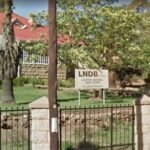
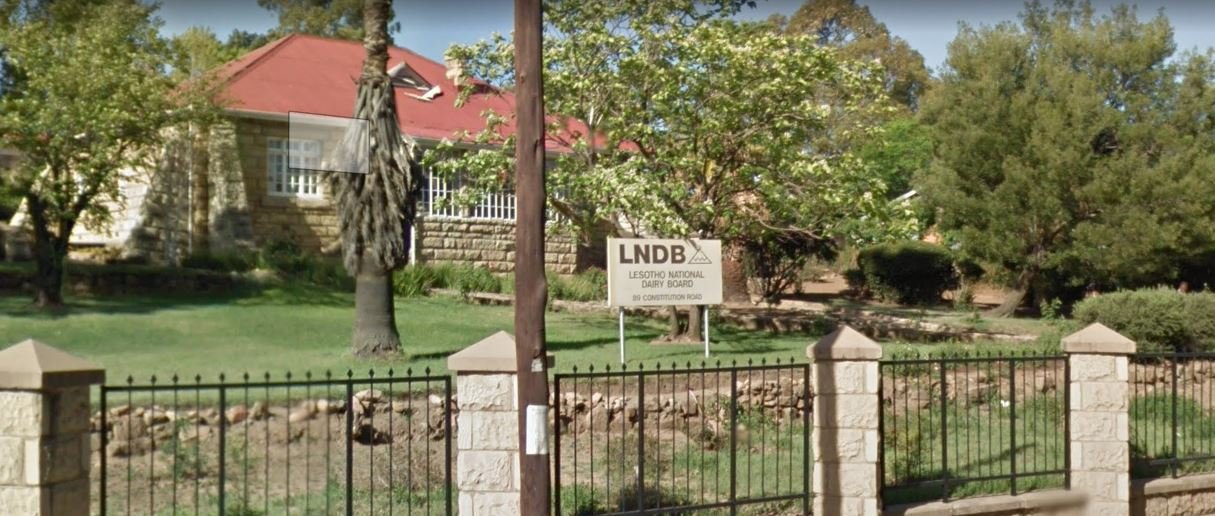
Speaking on behalf of the Lesotho National Dairy Board, CEO Abiel Mashale said the board had not received a formal announcement about the suspension but expressed sympathy for affected farmers.
“We understand the pain farmers are facing as their businesses incur financial losses and milk is wasted,” Mashale noted.