






For many farmers, uncertainty has always been part of agriculture, be it about rainfall, soil conditions, pests, or ultimately whether a crop will survive. But a new wave of agri-tech innovation is beginning to change that.
In Lesotho, a growing number of farmers are using artificial intelligence (AI) to make more precise, data-driven decisions, aiming to transform farming from guesswork into a more predictable, controlled process.
At the centre of this shift is Harvest Bounty Enterprise, a local start-up using AI-powered tools to monitor crops, analyse soil conditions and optimise production.
According to Lehlohonolo Pondo, the company’s approach represents a transition from traditional farming to a more technology-driven model.
“We are migrating from traditional farming to agri-tech farming,” he said.
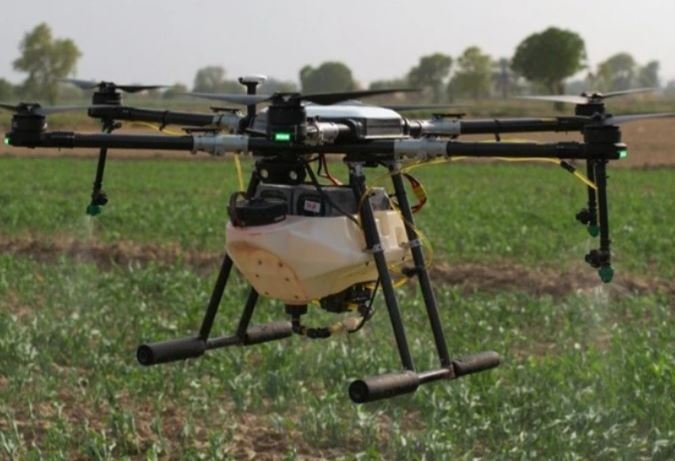
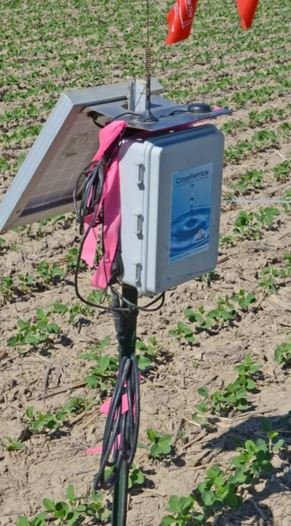
The system combines multispectral drones, soil detectors and intelligent sensors placed directly into the ground.
“These tools collect real-time data on soil moisture, nutrient levels and environmental conditions, which are then transmitted to a central dashboard for analysis. From this data, farmers receive precise recommendations ranging from fertiliser types and application rates to seed varieties, planting density, and irrigation needs, among other things.
“This technology gives us exact quantities. At a specific time of day, it can tell us how much water a plant needs,” Pondo explained.
The result, he said, is a significant shift in how decisions are made on the farm.
“Instead of relying on estimates, farmers are now working with measurable, real-time insights.”
Pondo further noted that the technology also plays a critical role in pest and disease management. By detecting early warning signs, farmers can intervene before infestations spread, reducing losses and improving overall crop health.
“In practical terms, the impact is already visible. Crops that would typically take months to mature are now reaching harvest faster under closely monitored conditions. For example, cabbage varieties that usually take up to four months to mature can now be harvested in as little as 50 to 75 days. This allows farmers to produce multiple cycles within a year, up to three or four harvests instead of one,” he revealed.
He said this increase in productivity is not just a technical achievement, “…it has direct implications for food security and market supply.”
Harvest Bounty Enterprise is currently producing up to 500 boxes of tomatoes, cabbage and pumpkins, supplying local markets while working to reduce reliance on imports from South Africa.
The company is also strengthening its position in formal markets. When engaging with retailers, the team presents not only produce samples but also detailed production reports outlining crop varieties, fertiliser use and projected harvest timelines.
“We can tell retailers exactly when the next produce will be ready for market,” Pondo said.
This level of predictability is critical for building trust with buyers and integrating small-scale producers into formal supply chains.
The innovation, however, emerged out of necessity. Through participation in the Smallholder Agriculture Development Project (SADP II), the team received greenhouses and irrigation systems but continued to face challenges.
Crops were lost due to poor humidity control, pest infestations and disease outbreaks. What was missing was not infrastructure but precise information.
“Previously, we relied on assumptions. Now we have accurate measurements and can apply exactly what is needed,” Pondo noted.
Despite the progress, constraints remain. The company does not own key equipment, such as drones, because it must hire them at high cost.
“Limited access to advanced tools continues to slow expansion.”
Currently, the initiative has reached around ten farmers in Berea, with plans to scale through training and field-based support.
“Farmers can request our services, after which the team collects and analyses field data, and then provides tailored recommendations,”he explained.
Yet even with improved production, market dynamics remain a challenge. Pondo noted that cheaper imports from South Africa have forced local producers to lower prices, leading to losses in some cases.
This highlights a broader issue: while technology can improve production efficiency, farmers still operate in competitive, often uneven markets.
As AI continues to reshape farming practices, the experience of Harvest Bounty Enterprise demonstrates both its potential and its limits.
“Technology can improve yields, reduce risk, and enhance decision-making, but it must be supported by enabling systems, infrastructure, and market access,” Pondo emphasised, saying even so, the shift is already underway.