

Lesotho’s next farming season may arrive under drier and hotter conditions, as weather experts warn of a possible El Niño developing later this year.
The Lesotho Meteorological Services (LMS) has issued an official El Niño Watch for the 2026–2027 summer rainfall season, urging farmers and households to begin preparing early, even as current conditions remain stable.
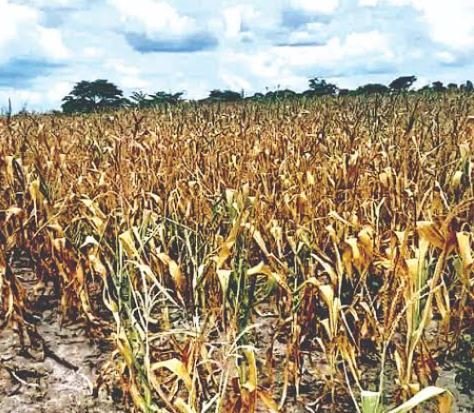
El Niño, a natural climate pattern caused by warming sea surface temperatures in the Pacific Ocean, can disrupt weather systems across the globe. Though distant, its effects are often felt strongly in Southern Africa, where it has historically been linked to reduced rainfall and lower crop yields.
According to a report signed by LMS Director, Dr Teke Ramotubei, temperatures are currently neutral and are expected to remain so through mid-2026. However, several climate models indicate a possible shift toward a weak El Niño later in the year.
For Lesotho, this could mean a challenging summer rainfall season, which runs from October 2026 to April 2027.
“No extreme drought is indicated at this stage,” the report notes, “but vigilance is advised given the models’ spread.”
The warning is echoed globally. The World Meteorological Organisation (WMO) has also signalled a likely return of El Niño conditions between May and July 2026, with projections pointing to rising global temperatures and shifting rainfall patterns.
For farmers on the ground, the message is clear: preparation cannot wait.
Lesotho National Farmers’ Union (LENAFU) Executive Director Khotso Lepheana said farmers must take early warnings seriously.
“It is also important for farmers to take warnings like this seriously so that they can make the necessary preparations,” he said.
He cautioned that the impact of changing weather patterns goes beyond rainfall alone.
“Farmers should be prepared for improved production and, on the other hand, increased potential diseases affecting both livestock and crops.”
Lepheana stressed the need for both prevention and adaptation.
“We should also expect effects that we cannot prevent, and in that regard, we should have adaptive capability,” he said.
He added that farmers must begin adjusting their practices now, rather than waiting for conditions to worsen.
“When it comes to crops, we have to adopt new planting patterns and avoid doing things as if everything is normal,” he said.
He also called for stronger collaboration across the sector, urging farmers to rely on technical guidance.
From the government side, the Ministry of Agriculture says that while no specific interventions have been introduced in response to the El Niño Watch, broader seasonal preparedness efforts remain in place.
Public Relations Officer Lereko Masupha said farmers should continue to focus on resilience measures already being promoted.
He warned that farmers should also prepare for winter conditions, particularly in protecting livestock.
“As for crops, we advise farmers to practice protected agriculture to mitigate the effects of extreme weather patterns, as well as to use seeds that can withstand harsh weather. We have projects, nutrition clubs, and Extension officers who are always disseminating information to our farmers; they just have to listen to the messages for sustainable production,” he said.