






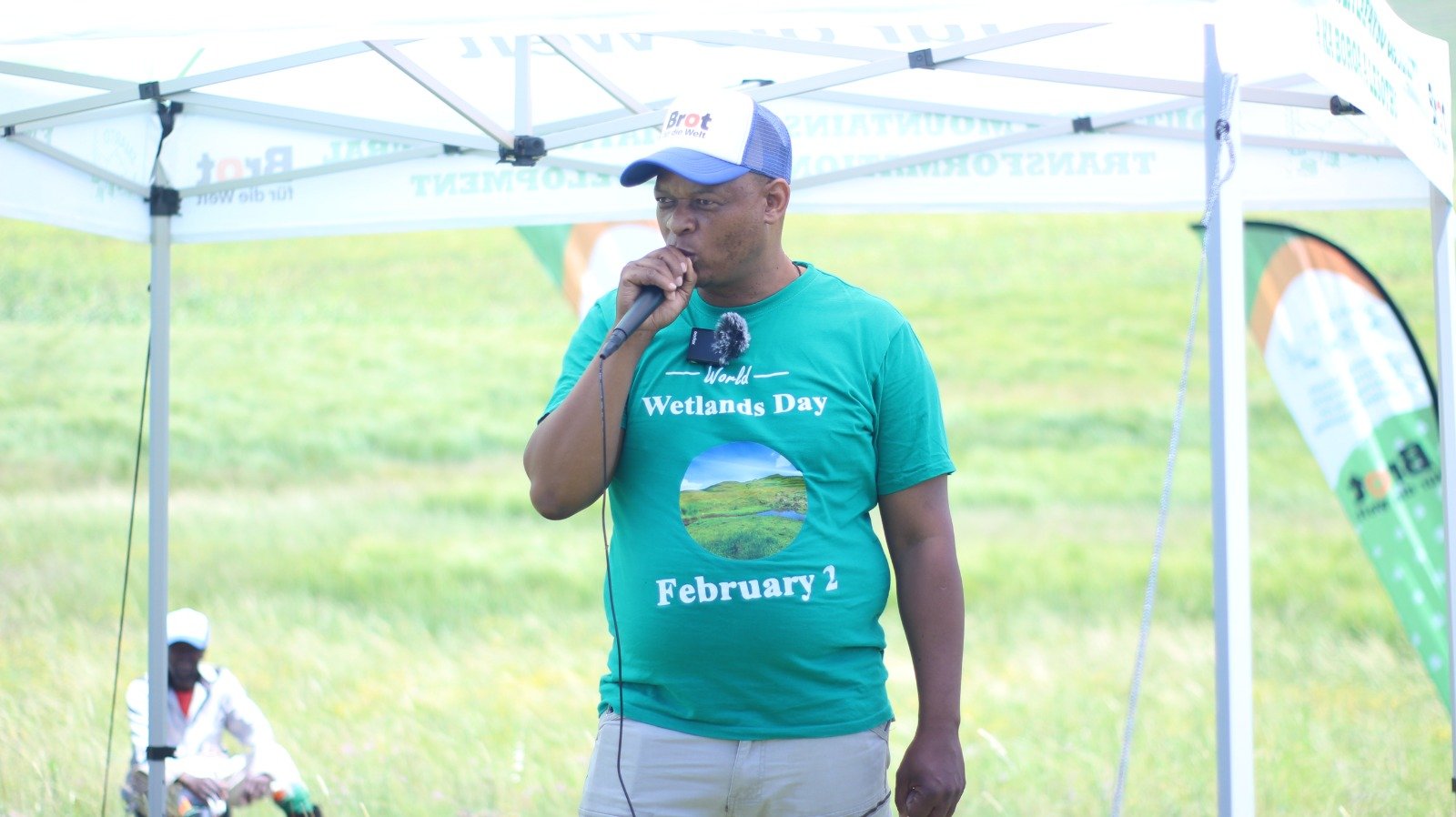
The vital ecosystem was at the centre of the 2026 Wetlands Day celebration held in Ha Tlhaku, Quthing district, on February 12, 2025.
Hosted by the Southern Mountain Association for Rural Transformation and Development (SMARTD), this year’s theme was “Wetlands and Traditional Knowledge: Celebrating Cultural Heritage.”
The importance of wetlands as essential ecosystems providing clean water, flood protection, and biodiversity was emphasised.
Fako Fako, SMARTD’s programme manager, outlined the objectives of the wetlands day commemoration to the community of Ha Tlhaku, highlighting the crucial role wetlands play in the environment.
“This is the sixth year we are marking Wetlands Day because of their vital role in our livelihood. Wetlands are natural sources of water, which is why it is important to raise awareness about their protection,” Fako stated.
He indicated that SMARTD’s mandate is to continue raising awareness about the importance of wetlands within the water ecosystem.
“Throughout history, wetlands have served as sources of water, food, and habitat for many plants and animals. This year’s theme reminds us that protecting wetlands depends not only on science and technology but also on our respect for them, prohibiting the movement of animals and people onto the wetlands,” Fako added.
Sempe Nkoebe, chairman of SMARTD, appreciated the community surrounding the Ha Tlhaku wetland site, which was visibly well-maintained.
“Everyone can see that this wetland area is respected, with no movement of animals or people impacting its health. There is abundant biodiversity, healthy grass, and birds flying overhead constantly. This is what we advocate for: healthy wetlands throughout the country,” Nkoebe concluded, commending the chiefs for controlling herd boys from grazing in the wetlands.
World Wetlands Day is celebrated by different countries in various ways, including community and volunteer events, educational programmes, citizen science initiatives, cultural activities, and media outreach. This year, SMARTD invested in educating communities about the importance of wetlands and methods for preserving their health.
Retselisitsoe Stephen, a principal lecturer at Lesotho Agricultural College, addressed the event and highlighted four major factors affecting wetlands.
“When animals are allowed to graze on wetlands, there will be habitat loss, biodiversity loss, water quality degradation, and soil quality alteration,” he noted.
While discussing the impacts of the expansion of agricultural fields into wetlands, Stephen emphasised the disruptive effects on water cycles and on the lives of animals that rely on wetlands as their habitat.
He also highlighted the issue of housing land encroaching upon wetlands and urged chiefs and councillors to take note and do their best to prevent further expansion. Fires also pose a threat to wetlands, as they can burn grass, dilute water, and disrupt soil structure.
Students from various primary schools commemorated the day by creating poems and songs about wetlands. Fako Fako, the project manager, supervised discussions with the students, rewarding those who answered questions correctly with gifts.
World Wetlands Day was officially celebrated for the first time in 1997, marking 25 years of the Ramsar Convention. Over the years, the day has gained increasing significance and is marked annually on February 2.