





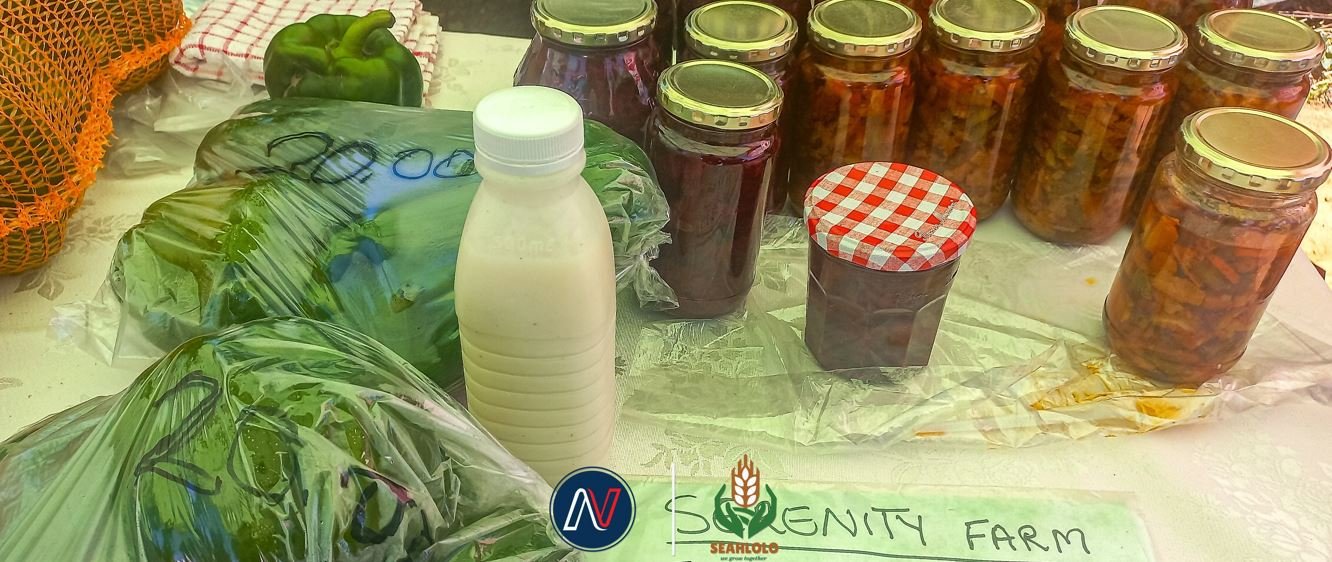
Rows of neatly packaged jams, dried vegetables, chilli sauces, and bottled juices were displayed on tables as farmers from the Ha Ntsi Resource Centre in Nazareth gathered to trade and learn how to transform surplus produce into sustainable income.
The Ministry of Agriculture and Food Security, through the Smallholder Agriculture Development Project II (SADP II) and international development partners, hosted a Preservation Campaign and Farmers’ Market Day to promote food processing as a practical solution to post-harvest losses, food insecurity, and low rural incomes.
For years, smallholder farmers have watched their surplus harvests spoil due to poor storage, limited markets and a lack of processing facilities. With climate change intensifying droughts, erratic rainfall and harsh winters, food preservation is now being positioned as a frontline defence against recurring shortages.
Through drying, bottling and canning, farmers are being trained to extend shelf life, protect nutritional value and stabilise household food supplies throughout the year.
By adding value to raw produce, farmers can sell at higher prices and access new markets, reducing reliance on imported goods and strengthening national self-sufficiency.
Speaking at the event, Lechesa Nthulanyane of the SADP II stated that the campaign is designed to shift farmers from subsistence production toward market-driven agriculture.
“The importance of having locally preserved farm products is to train more farmers in preservation techniques and create employment opportunities in rural areas where farming activities take place,” he said.
Nthulanyane emphasised that preservation training helps farmers avoid significant losses during bumper harvests when markets are saturated.
“Preservation allows farmers to keep food throughout the year and benefit financially from their produce,” he added.
Chief of Ha Ntsi, Libe Thamae, described the event as evidence of growing farmer capacity, despite setbacks caused by adverse weather conditions earlier in the week.
“We intended to host a bigger event, but due to the bad weather at the beginning of the week, some traders, farmers and buyers were unable to attend. However, the event will still be successful with those present,” said Thamae.
Farmers attending the market day were drawn from nutrition clubs formed under local resource centres, platforms designed to encourage collective production, knowledge sharing and marketing collaboration.
Makatiso Mothetho, a member of the Sethala Nutrition Club from Morija Thaba-Chitja, said the training has already reduced losses in her community, noting, “We no longer suffer losses as much as we did before we learned how to preserve our products. Since we started drying vegetables, we are able to sell even during the winter season.”
However, she acknowledged ongoing challenges ranging from extreme weather patterns and access to reliable markets.
Despite these obstacles, the variety of processed goods displayed from packaged grains to fruit juices signalled growing innovation among smallholder farmers embracing value addition.
