


…40 young farmers receives inputs as Government Pushes to Empower 1,000 Young Farmers
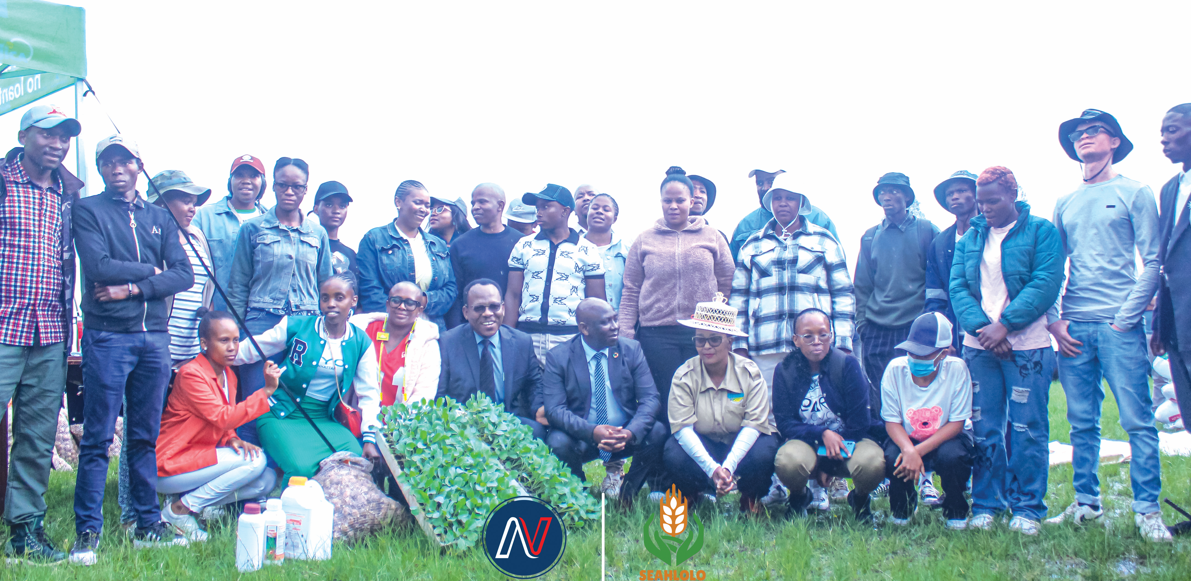
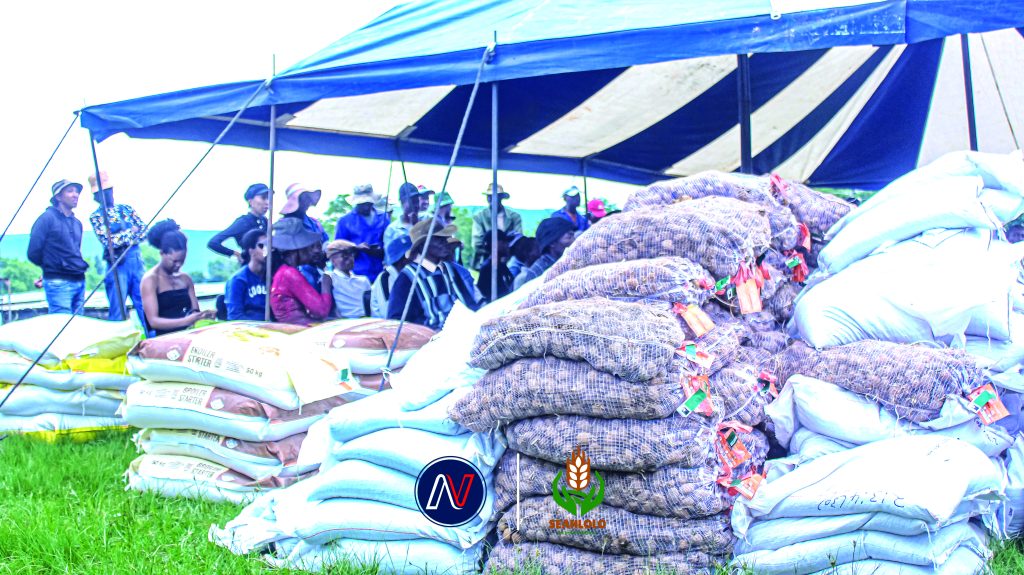
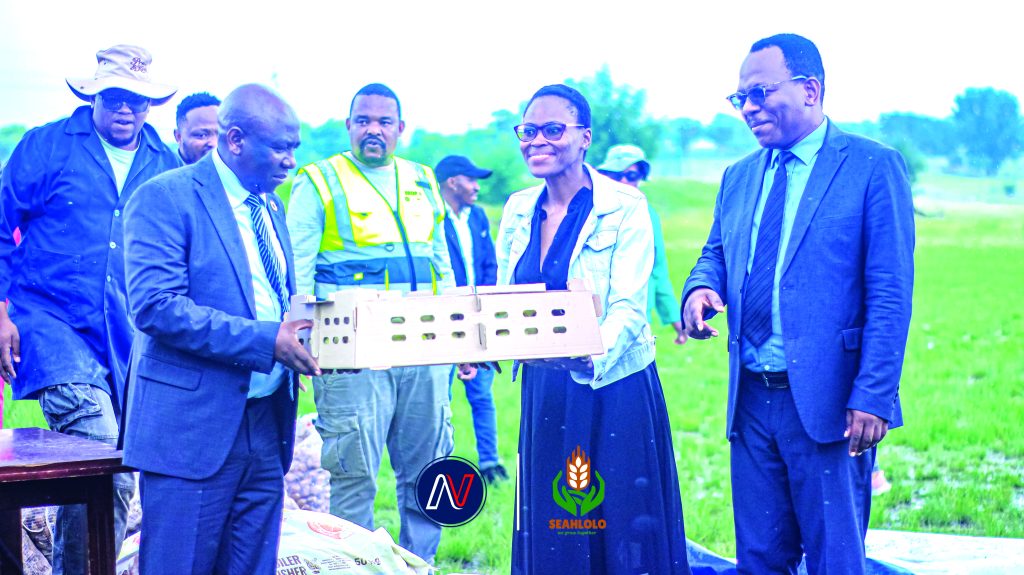
The Ministry of Agriculture, Food Security and Nutrition has intensified its youth empowerment agenda by distributing agricultural inputs to 40 young representatives in Maseru.
This initiative is part of a national programme aiming to support 1,000 youth across the country.
Under the Smallholder Agriculture Development Project II (SADP II), this effort seeks to tackle Lesotho’s rising youth unemployment while enhancing agricultural productivity.
At the handover ceremony, Minister Thabo Mofosi expressed the government’s keen awareness of the pressing challenges faced by young Basotho in securing meaningful employment. He noted the concerns raised by Prime Minister Samuel Ntsokoane Matekane regarding the socio-economic risks associated with increasing youth joblessness, which have driven the introduction and expansion of SADP II to foster youth-led agricultural development.
Minister Mofosi explained that SADP II is designed not only to provide young people with farming tools and inputs but also to offer them a pathway into entrepreneurship.
“Agriculture may not directly employ every young person, but it can equip many of you with the skills and resources to create your own opportunities and eventually employ others,” he stated.
He urged beneficiaries to utilise the inputs effectively, viewing this support as the foundation for long-term livelihoods that can contribute to reducing Lesotho’s unemployment rate.
Mofosi challenged the youth to move away from what he described as a growing culture of hopelessness. Referencing derogatory comments once attributed to former U.S. President Donald Trump about African people being lazy. He urged young Basotho to dispel such stereotypes; “Let’s work hard so that we do not earn disdain from other nations by taking care of what sustains us,” he said.
The Minister reminded recipients that the success or failure of this programme will directly reflect on the Prime Minister’s broader vision for youth-driven economic transformation. “Do not disappoint the Prime Minister,” he urged. “Use these inputs to stimulate job creation and become part of Lesotho’s economic renewal.”
The 40 youth who received inputs represent the initial group in this district rollout. Each participant received materials tailored to their production focus: feed and chicks for broiler and layer producers; seeds, fertiliser, and crop treatments for horticulture and potato farmers; and tools and technical support for nursery and vegetable growers. This initiative is part of the Ministry’s larger commitment to equip at least 1,000 young farmers with inputs, mentorship, and access to extension services.
Mofosi emphasised that the Ministry will continue to support the youth after the distribution. “We will ensure that the inputs are used effectively throughout the project,” he assured the group, stating that extension workers, SADP II officers, and district mentors will monitor progress and provide technical guidance.
He also addressed ongoing challenges that have previously hindered development projects, strongly condemning the illegal resale of donated tools and machinery. “We cannot continue to lose resources intended to uplift our communities,” the Minister said, urging both youth and adults to safeguard government investments.
The inputs programme is closely linked to the Ministry’s broader regional vision. Mofosi revealed that Lesotho is enhancing collaboration with Botswana and eSwatini to create a shared agricultural market that could benefit Basotho exports. “Our aim is to unify these three countries and work together. This initiative will help Basotho export to these nations with products we excel in producing,” he said.
The Youth-to-1,000 pledge, announced earlier this year, has become one of the Ministry’s most ambitious initiatives. It is focused not only on input distribution but also on the SADP II Mentorship Programme, which pairs young farmers with experienced producers who guide them in climate-smart agriculture, business planning, and commercialisation. The Ministry believes that equipping youth with both resources and knowledge is essential for transforming subsistence farming into profitable agribusiness.
As the distribution continues across other districts, the Minister has pledged to prioritise follow-up support, ensure proper use of equipment, and strengthen market linkages for youth-led enterprises. Mofosi reiterated that the government views agriculture as central to national development. “This programme will not only enhance youth livelihoods,” he said, “but also transform agricultural output and the economic prospects of our country.”
Sponsored by
