
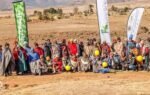

QACHA’S NEK – Songs, ululations and vibrant colours filled the Sacred Heart Convent church yard at Ha Sekake in Romeng, Qacha’s Nek. Jean Maurice Association—also known as Barali ba Lerato la Pelo e Tlotlehang ea Jesu—celebrated the completion of their Smallholder Agriculture Development Project Phase II (SADP II) support.
Community members, partners, and officials gathered beneath tall trees and convent buildings to celebrate a milestone in the association’s dairy production journey, reflecting on years of perseverance, learning, and growth.
Jean Maurice Association, comprising 48 members, currently rears 10 dairy cattle for milk production.
SADP II Project Field Officer Letsoisa Leqheku celebrated the association’s milestone and credited their success to dedication.
“As SADP II, we have watched you work tirelessly. Today, we are celebrating your hard work and officially congratulating you on your graduation. We also witnessed the long hours you put in to ensure you achieved all milestones,” Leqheku said.
Association leader, Sister Clementine Thatho, traced the group’s journey from its humble beginnings, recalling the hardships they faced before SADP II support.
She recounts that, before support, the association owned one cow that produced only milk. It birthed mostly mule calves, limiting growth.
Through SADP II matching grants introduced in 2021, the association acquired three Holstein cattle. However, the early stages were fraught with challenges.
“The cattle arrived in poor condition. Two calves were born, but one cow died after delivery, and all the calves were lost,” Sister Clementine said, describing the experience as a difficult and painful start.
With veterinary support—particularly from Dr Makhaola—the association managed to save the remaining animals. Later, three Jersey cattle were purchased, marking a turning point for the project.
Today, the herd stands at ten cattle.
Harsh climatic conditions in Qacha’s Nek caused milk production to fluctuate over the years.
“Winters are extremely cold, and milk production drops. Summers bring higher yields. Climate change has made conditions unpredictable, with extreme temperature swings in a single day,” Sister Clementine explained.
She noted that climate variability increased costs, reduced productivity, and affected both milk yield and quality.
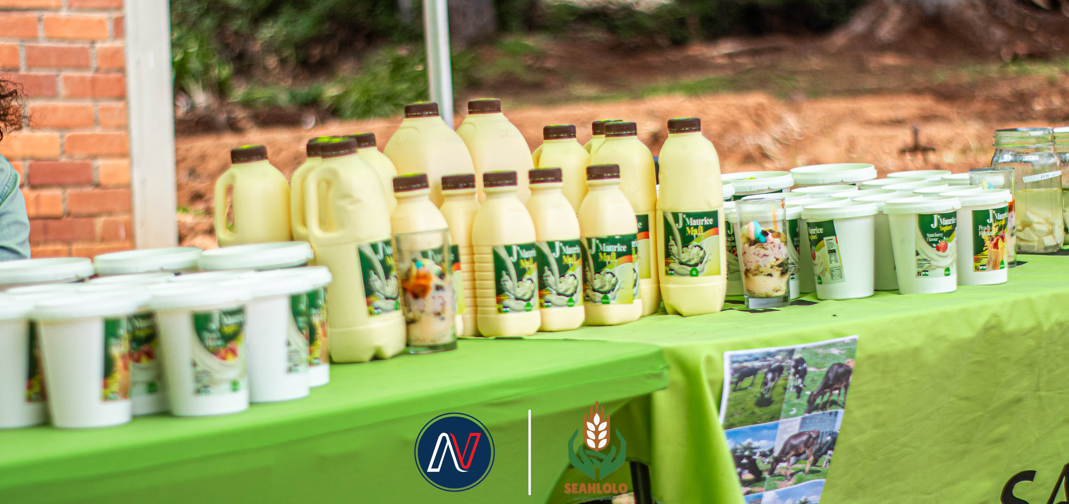
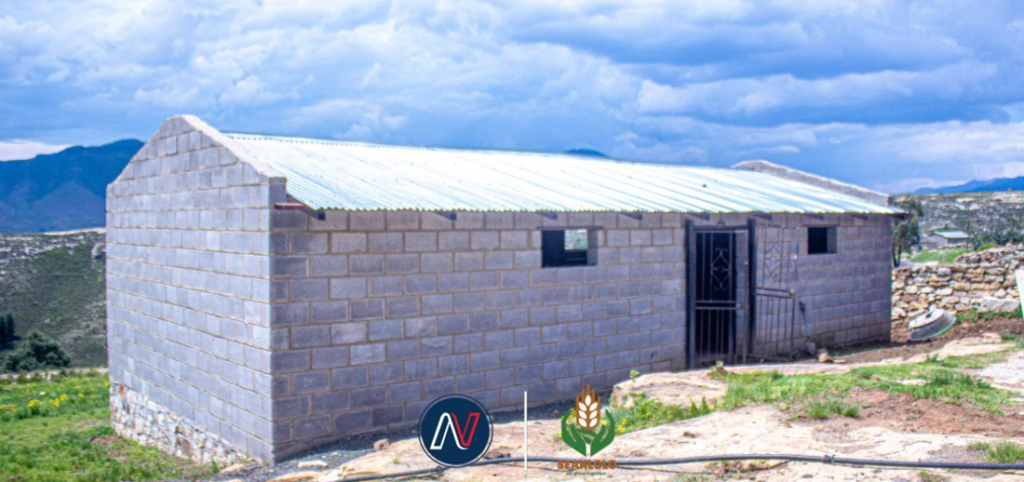
During the celebrations, members showcased their dairy products and led guests to their newly constructed milking parlour.
“SADP II made this milking parlour a reality. Hygiene is our priority—there are no flies here, and our customers can consume our milk with confidence,” she said.
The association also demonstrated its milking and pasteurising machines, which have significantly reduced labour demands.
They have further invested in a vehicle used to deliver milk and dairy products to surrounding communities.
Beyond fresh milk, Jean Maurice Association now produces yoghurt, cheese, mafi, and milk-based drinks, diversifying its income streams and adding value to its produce.
Sister Anacletta Lempe, representing the congregation, praised Sister Clementine’s leadership and commitment.
“When this project was introduced, its vision was unclear to me, but today it is evident that many people are benefiting,” she said, thanking SADP II for supporting a project that has helped sustain vulnerable sisters and community members.
She highlighted that religious sisters are often overlooked in development programmes despite facing food insecurity and economic hardship.
“As sisters, we are citizens too. We need support like everyone else. Projects like this help us survive and support others,” she said.
Representing the Ministry of Agriculture, the District Agricultural Officer for Qacha’s Nek, Mohapi Litsoane, congratulated the association and reaffirmed continued collaboration beyond SADP II.
“We have walked this journey together through both challenges and successes. Even after graduation, we look forward to working with you to strengthen food production,” he said.
In an interview with Seahlolo, Sister Clementine said her leadership role was deeply personal, having grown up on a farm.
“Working with animals connects me to nature and reminds me to live in harmony with it,” she said.
She noted that milk production used to reach about 50 litres per day in summer and would drop to around 20 litres in winter, but now climate instability further reduces output.
“I thank SADP II for everything they have done for us. My hope is to inspire the youth of Qacha’s Nek to fall in love with farming,” she concluded.
Dairy farming remains an important contributor to nutrition and rural livelihoods in Lesotho, providing essential nutrients such as calcium, protein and vitamins.
However, feed shortages, rising costs and climate pressures continue to challenge the sector. The experience of Jean Maurice Association highlights how targeted support, strong leadership and perseverance can transform smallholder farming into a sustainable source of food and income, even in the country’s most remote regions.
