

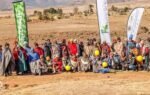




Behind Lesotho’s fertile fields lies a silent yet urgent crisis: farmers’ mental health. Natural hazards, climate change, financial strain, livestock theft, and crop failures take a psychological toll on farmers, yet few forums exist to address their struggles.
During the winter season, a heavy snowfall in the country’s highlands left farmers grappling with more than just financial losses.
For many, including 34-year-old vegetable farmer Jeloa Makhetha from Tsoelike in the Qacha’s Nek district, the storms destroyed livelihoods and imposed an invisible burden: mental and emotional strain.
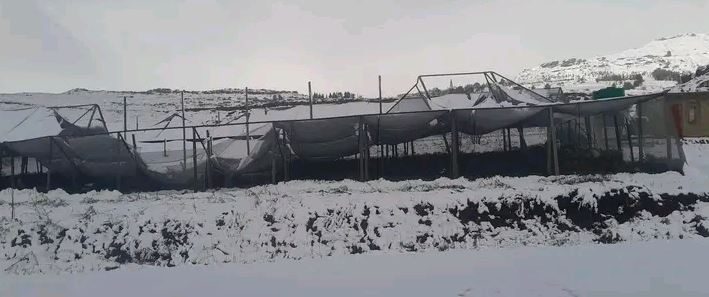
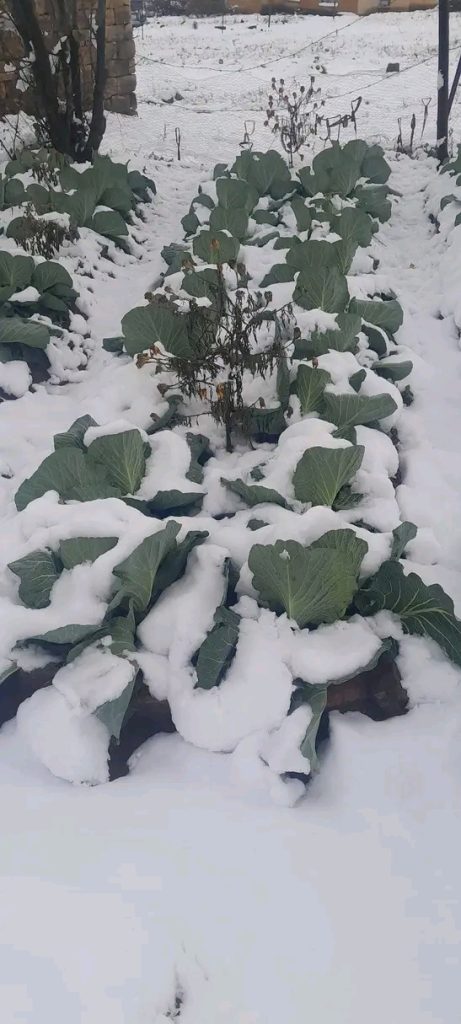
Jeloa, who operates Veros Pty Ltd, witnessed the collapse of his 40 by 20 shade net structures and the loss of 700 cabbage crops, a devastating blow after months of hard work.
“Winter is not my season,” Jeloa reflected, recalling the morning he discovered the damage.
“I didn’t know what to do or feel, seeing my hard-earned crops buried in snow and shade nets torn down after hours of labour, sacrificing everything while looking forward to the market for returns.”
The emotional toll of such losses can be as heavy as the financial ones. Farmers like Jeloa experience immense stress, anxiety, depression and even post-traumatic responses when unpredictable weather devastates months of preparation.
In Lesotho, where agriculture is the backbone of the economy, the mental health of farmers remains largely unaddressed. Cultural norms often compel them to conceal their pain, leaving many to suffer in isolation.
“I grew up in subsistence farming, but I never imagined I would become a farmer,” Jeloa shared however, after graduating, he found himself unemployed and turned to farming as a means of survival.
The snowfall made him realise that while farming is critical for food security, those who toil tirelessly are often overlooked.
“After the snowfall crisis, people told me to be strong and start over and that reflects how Basotho cope with distress, silently, without support,” he said.
The pressure is intensified by cultural perceptions that overlook emotional well-being.
“Farmers are generally perceived as illiterate in Lesotho and some of their challenges, including mental health issues are rarely discussed in our communities,” Jeloa explained, noting that men, in particular, face societal expectations to suppress their emotions.
“We are told that monna ke nku ha lle—‘a man is a sheep he doesn’t cry,’” he said. Even after significant loss, farmers are taught to endure hardships silently.
Climate change adds another layer of uncertainty. Jeloa pointed out the difficulty of planning farming activities amid floods, droughts, and snowfall. “As a farmer, I’m constantly worried about the next season, the next harvest, and what it will bring,” he said, adding that while many Basotho have adopted climate-smart techniques, such as shade nets and improved irrigation, extreme weather events can still wipe out months of labour in a single morning.
Compounding this crisis Jeloa said is the near-total absence of mental health services for farmers.
He noted has never heard of initiatives aimed at providing emotional or psychological support for farmers. “We are expected to be tough, even when situations are harsh and we have nowhere to go. It would seem awkward for a farmer to cry out after a loss,” he said.
According to the government’s 2024 Mental Health Policy and Strategic Plan, nearly 431,000 people in Lesotho suffer from mental illness, yet the number of farmers included in this figure remains unknown. Farmers are considered high-risk due to financial pressures, isolation, crop failures, climate shocks, and exposure to trauma, according to the South African Depression and Anxiety Group (SADAG).
Global studies illustrate the widespread nature of this challenge. In South Africa, 61 per cent of farmers experience depression and 54 per cent anxiety. In Australia, one in five farmers reports high psychological distress, while in the United Kingdom, 27 per cent report depressive symptoms and 45 per cent anxiety. These figures suggest that mental health struggles are common in farming communities worldwide, yet stigma and traditional norms often prevent open discussion.
Jeloa worries about older farmers who have endured decades of climatic fluctuations. “They might be deeply affected, and there is little support or guidance on how to cope with losses caused by weather,” he said. He advocates mental health awareness, peer support, and frequent engagement with specialists to help farmers navigate these challenges.
Despite his recent setbacks, Jeloa is determined to rebuild.
“After losing over 600 heads of cabbage planted in May, I am now managing 70 heads of green coronet to start again,” he said.
Bouncing back from financial and emotional losses is arduous, but purpose and resilience drive him forward.
“Every step feels like a battle. The pressure to produce again is immense, but I will never quit because winners never quit, and quitters never win,” he said.
The stigma surrounding mental health in Lesotho leaves many farmers bottling up their emotions, which can exacerbate the effects of climate-induced losses. Jeloa believes it is crucial for farmers to have safe spaces to express themselves and seek guidance. “Reflecting on what the snowfall did to my crops makes me sad, but I understand it was beyond my control,” he noted.
Mental health challenges in farming are often overlooked, despite agriculture being critical for national food security. The long hours, financial pressures, and isolation farmers face can have profound psychological consequences. Addressing these issues should be a priority alongside discussions on climate resilience and sustainable agricultural practices.
Ross Blanch, an Australian crisis counsellor and dairy farmer, highlights similar struggles internationally. “Farming is demanding both emotionally and financially, and farmers often remain silent about their struggles,” he said. Blanch emphasised that having someone to talk to, who understands the agricultural context, helps farmers process loss and grief—a support system currently lacking in Lesotho.
Jeloa strongly indicated that farming is not just a livelihood but a way of life; “Crop failure or livestock loss carries not only economic consequences but also emotional trauma. Providing farmers with access to counselling and mental health services, along with training for farm leaders on recognising distress, could help build resilience in the sector.
“What is most prevalence in our country, the government and agricultural institutions focus on production data rather than farmers’ well-being. Questions about emotional strain, setbacks, and psychological impacts remain largely unasked. I strongly believe that prioritising farmers’ mental health, establishing helplines and creating forums for sharing experiences could transform the sector, ensuring that those who feed the nation are themselves supported,” he said, adding that annually, climate change disasters and mental health are inextricably linked for Lesotho’s farmers and poor production.
“As extreme weather events increase in frequency and intensity, our psychological burden as farmers grows and recognising and addressing this silent crisis is crucial not only for the individuals affected but for national food security and sustainable agricultural development,” he said.