
Ha Qamo, a village in Peka, Leribe, has taken decisive action against the spread of Lumpy Skin Disease (LSD) following a large-scale vaccination campaign launched on March 18, 2026.
The initiative, spearheaded by local entrepreneur and Member of Parliament (MP) for Peka Constituency, Mohopoli Monokoanane, vaccinated over 200 cattle on the first day, with plans to reach more than 4,000 cattle across the village within a week.
In a notable move, Monokoanane confirmed that the campaign is being funded entirely from his own resources, citing delays in government response as the motivation for his intervention.
He has also hired a private veterinarian to assist farmers and ensure that both infected and healthy cattle receive timely attention. Plans are underway to extend the campaign across the wider constituency.
“I could not wait while farmers continue to lose their livestock. I am funding this vaccination campaign myself and have hired a veterinarian to assist. Farmers from neighbouring villages are already bringing their cattle for vaccination, and we will continue to ensure all cattle are protected,” Monokoanane said.
The campaign targets both infected and uninfected cattle, aiming to contain the outbreak and prevent further transmission. Vaccination teams are moving systematically across the area to maximise coverage, especially as concerns grow over the speed at which LSD spreads.
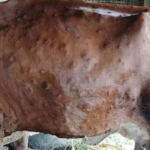
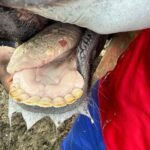
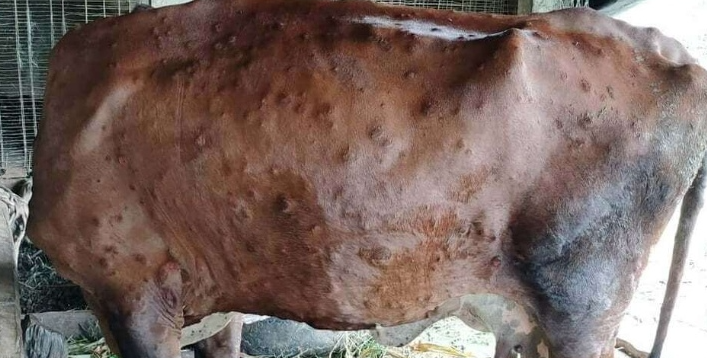
Previous reporting has highlighted the rising threat of LSD in Lesotho, particularly during warmer months when insect activity is high. The disease, transmitted by biting insects such as flies, mosquitoes, and ticks, causes fever, enlarged lymph nodes, and characteristic skin nodules.
Infected cattle often experience severe weight loss, reduced milk production, and, in extreme cases, death. This reduces both the market value of livestock and the financial stability of farmers who rely on cattle for income and food security.
In Lesotho, cattle farming remains a cornerstone of rural livelihoods, meaning outbreaks of LSD can have far-reaching economic and social impacts.
Restrictions on livestock movement, reduced productivity, and limited market access continue to threaten the sector’s stability during outbreaks.
The Ministry of Agriculture and Food Security, however, has defended its response, stating that nationwide vaccination efforts are underway. Chief Information Officer Lereko Masupha noted that veterinarians have been deployed across the country, with 27 vehicles moving teams between districts to vaccinate livestock efficiently.
Monokoanane’s intervention underscores gaps in localised coverage, suggesting that while the national campaign is active, some areas, such as Ha Qamo, may have experienced delays before the outbreak escalated locally.
Experts emphasise that timely and widespread vaccination remains the most effective method of controlling LSD. When combined with isolating infected animals and controlling insect vectors, rapid vaccination can significantly curb the spread and impact of the disease.
The efforts in Ha Qamo highlight both the urgency of the outbreak and the importance of coordinated responses across national and local levels. As vaccination continues nationwide, the effectiveness of these combined strategies will be key to protecting livestock, supporting farmers, and minimising economic losses in Lesotho’s livestock sector.