
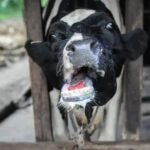
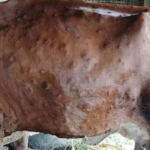
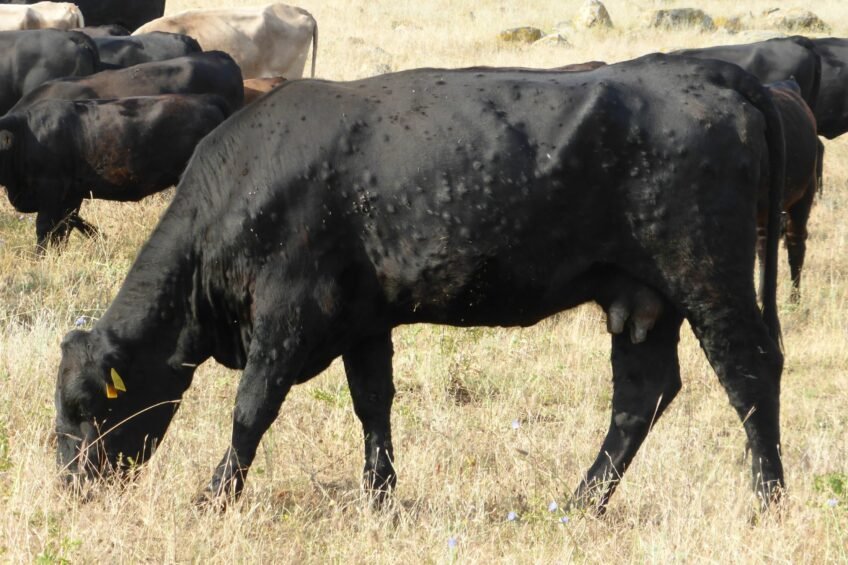
More than 1,000 cattle have been infected, and 63 have died as Lumpy Skin Disease spreads nationwide, with the government confirming delays in securing vaccines during the peak of the outbreak.
Addressing the media at the Ministry’s headquarters on 12 February 2026, Minister of Agriculture, Thabo Mofosi, revealed that 1,061 cattle have so far been infected.
He noted that veterinary officers are still verifying the full extent of the outbreak, raising concerns that the actual figure could be higher.
The disease, commonly known as lefu la makhopho, has now spread across the country, placing increasing pressure on the livestock sector.
“We appeal to all farmers who have not reported affected animals to come forward so that we can assist in controlling the spread of the disease,” Mofosi urged.
However, the Minister acknowledged that the government’s response was hindered by challenges in vaccine procurement. Vaccines had to be imported, and as the outbreak spread across Southern Africa, shortages emerged before Lesotho could secure preventive supplies.
“By the time we managed to source the vaccine, the preventive vaccine was no longer available. What has arrived is an antibiotic shipment used to manage infected animals,” he explained.
The antibiotics arrived on 11 February 2026, and preparations are now underway for a nationwide intervention campaign.
The Ministry has deployed 27 vehicles to travel across the country, with veterinary teams set to vaccinate affected cattle directly on farms. This will mean farmers will not be required to transport livestock to central points, a measure aimed at limiting animal movement and reducing transmission risks.
“Farmers will be assisted in vaccinating their infected animals free of charge,” the Minister confirmed, emphasising that restricting cattle movement remains critical, as contact between animals accelerates the spread.
While emergency measures are being implemented, the outbreak has exposed vulnerabilities in vaccine access during regional crises. The Ministry is urging farmers to maintain routine vaccination schedules and to report suspected cases immediately.
“Prevention is better than cure. As the nationwide response begins, the speed of containment efforts may determine whether further livestock losses can be avoided,” Mofosi said.