The Department of Livestock has taken decisive steps to safeguard Lesotho’s livestock sector by leading the establishment of a multi-sectoral task team aimed at preventing the outbreak of foot-and-mouth disease (FMD) in the country.
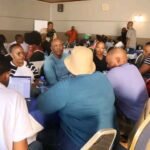
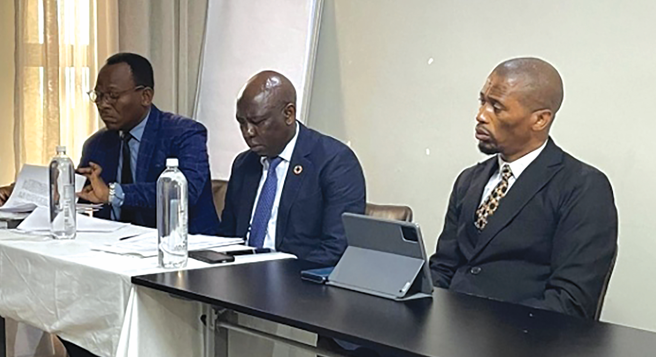
This proactive initiative was announced during a high-level consultative meeting convened by the department, which brought together stakeholders from the Ministry of Agriculture, various government ministries, security agencies, the private sector, veterinary professionals and farmers. The meeting marked a strategic shift from mere risk awareness to coordinated national action.
In his address, Principal Secretary in the Ministry of Agriculture, Food Security and Nutrition, Dr Khothatso Tsooana, emphasised that prevention is Lesotho’s strongest defence against the disease, which is currently spreading in neighbouring South Africa.
This meeting was convened to consult, deliberate and agree on the establishment of a multi-sectoral task team that will lead preparedness, coordination and strategic interventions to protect Lesotho’s livestock,”He stated, stressing that livestock, particularly cattle, sheep and goats form the backbone of rural livelihoods and national exports such as wool and mohair.
According to South Africa’s Ministry of Agriculture, as of November 2025, KwaZulu-Natal remains the epicentre of FMD, with 180 of the 274 unresolved outbreaks reported nationally.
The ministry indicated that despite the vaccination of 931 200 animals with government-procured vaccine stocks over the last three months, uncontrolled animal movement continues to undermine containment efforts and prolongs the crisis.
PS Tšooana warned that an outbreak would have far-reaching economic consequences, including the loss of export markets and rural income, thereby underscoring the urgency of preventive action.
The meeting was officially opened by the Minister of Agriculture and Food Security, Thabo Mofosi, who called for collective responsibility in implementing disease prevention measures.
“The threat of foot-and-mouth disease requires unity of purpose. Our geographic position and trade links with South Africa mean that we must act early, decisively and together,” the minister remarked.
Mofosi commended veterinary services for maintaining Lesotho’s disease-free status over the years and urged stakeholders to strengthen surveillance, biosecurity and compliance with animal movement controls.
He emphasised that the resolutions from the meeting must be translated into action on the ground.
A detailed technical briefing by Dr Relebohile Lepheane, Livestock Director General, outlined the Department of Livestock’s preparedness framework.
She identified high-risk districts including Quthing, Butha-Buthe, Mokhotlong, Leribe, and Thaba-Tseka and emphasised the need for targeted surveillance and early-warning systems in these areas.
Dr Lepheane explained that foot-and-mouth disease is a highly contagious viral disease with multiple serotypes, making prevention and rapid response essential.
She highlighted that Lesotho’s strategy focuses on early detection, strict movement control, border surveillance, farmer awareness and coordinated emergency response, rather than reactive containment.
“Maintaining Lesotho’s foot-and-mouth disease-free status is critical to protecting market access, farmer livelihoods, and national economic stability,” she asserted.
She further outlined the economic rationale behind prevention, noting that mass vaccination alone would cost approximately M180 million annually for cattle, making proactive prevention significantly more cost-effective than responding to an outbreak.
Drawing lessons from past emergencies, former NACOSEC CEO Thabo Ntoi underscored the importance of structured coordination, clear policies, and data-driven decision-making.
“Lesotho must respond with an informed and firm approach, guided by research, clear emergency frameworks and lessons from previous national crises,” he stated.
During open discussions, participants agreed on the composition of a national multi-sectoral task team, proposed to include agriculture, food security, and nutrition as chair, along with defence and national security agencies, border control authorities, disaster management, local government, chieftainship structures, farmers’ associations and trade and finance institutions.
The Department of Livestock confirmed that the final task team and its terms of reference will be formally adopted and communicated, ensuring clarity of roles and accountability across sectors.
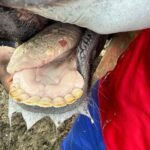
The meeting also reinforced farmer-level solutions, with veterinary experts outlining key signs of foot-and-mouth disease such as fever, drooling, vesicular lesions and difficulty eating and urging farmers to report suspected cases immediately.
Participants committed to supporting nationwide awareness campaigns, strengthening community surveillance and complying with biosecurity measures to prevent disease entry and spread.
With South Africa continuing to report multiple foot-and-mouth disease outbreaks, Lesotho’s strategy, anchored by the Department of Livestock, positions prevention, coordination and preparedness as the country’s strongest line of defence.
By mobilising institutions, communities, and expertise before an outbreak occurs, the Department of Livestock is reinforcing Lesotho’s resolve to protect its livestock economy, rural livelihoods, and national food security.