





A new approach in Lesotho’s agriculture is tackling a long-standing problem: the gap between finding plant diseases and treating them effectively and leading this change is Tšepo Masa, who holds a Bachelor of Science in Crop Science.
Masa started a plant clinic to improve plant health checks, make pest control more available, and support farmers in rural areas where these services have often been lacking.
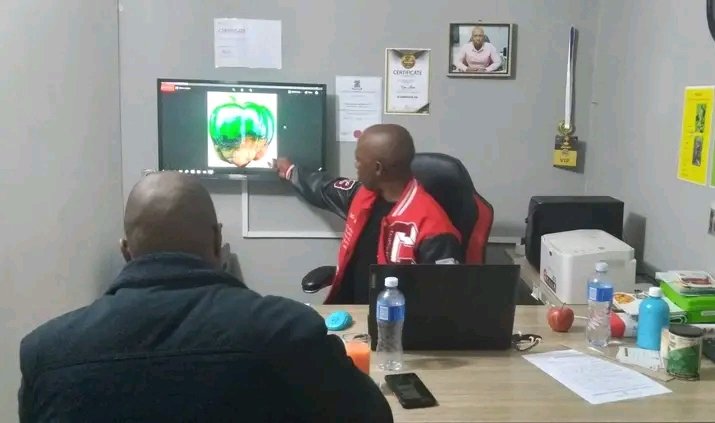
The scientist describes the Plant Clinic as both a place for diagnosing plant problems and a source of real solutions. It helps farmers identify diseases and gives them direct access to the right treatments and advice.
“This journey started as an informal mobile consultancy in 2018 and has since grown into a fully registered and accredited enterprise. In 2020, after registrations, I realised that what I was doing was quickly transitioning from individual field support to a structured agricultural service provision,” he recalled.
“After completing my studies at the National University of Lesotho, I interacted with farmers, heard their problems, and also exchanged my knowledge in crop science. It started as a norm and then ended up as a job,” Masa said.
From field frustration to innovation
The concept behind the Plant Clinic, Masa said, was born out of repeated field experiences in which farmers received diagnoses but remained unable to act on them due to a lack of access to inputs.
“When I arrive at the farm lands, and I find the disease and try to tell the farmer the name of the disease without telling him or her what chemicals to use, it feels like not solving a problem. So I had to think out of the box and find ways I can give farmers a full package.”
He explained that the idea grew over six years of hands-on work after university, as he tried to connect what he learned in school with what farmers actually need in the field.
“I spent six years trying to find a way out in crop production assessment outside the university campus. I then approached major chemical suppliers to advocate for local stock availability,” he said, but the system was slow to change.
“Big companies failed to deliver on promises to supply rural shops, so I planned how the plant clinic can operate. I had nothing. I had some job opportunities and once took one that I did not even spend a week in after realising that my vision might end up trying to secure capital,” Masa reflected.
Building a structured agronomy service
Today, the plant clinic focuses on two main areas: supplying pesticides and offering advice, training, and pest management support to farmers.
Masa has also made connections with suppliers in other countries to make sure farmers always have access to the chemicals and resources they need.
“I made connections outside the country in order to get chemicals and everything concerning crop production and health, and today, as I am an accredited pest control operator with a background from the Agriculture and Forestry Pest Management Academy,” he said.
His approach tackles a common problem in farming where farmers often get advice, but do not have what they need to put it into practice.
“As a plant clinic, combining expert academic training in pest management with the direct retail of essential pesticides, the clinic addresses the historical disconnect where farmers would receive a diagnosis but lack the physical means to treat their crops,” Masa explained.
Climate change reshaping farming realities
Masa also points out a bigger problem: climate change is making it harder for farmers to rely on the old ways of doing things.
“For many years, our elders in farming used to plant during the seasons they always knew and often linked with a cultural calendar, treated outbreaks with whatever was available, and accepted unpredictable losses as part of farming life. But now climate change has turned calendars. Rains come at the wrong time, pests arrive earlier or in new areas, and familiar coping strategies are no longer acceptable.”
He believes farming should move away from reacting to problems and instead focus on prevention and using science-based methods.
“Farmers must move from treating symptoms to preventing crises by using timely, science-based diagnostics, choosing the right inputs, and adapting planting dates and practices to changing weather patterns.”
The plant clinic helps make this change possible by connecting disease checks with quick solutions and training for farmers.
Training as a critical intervention
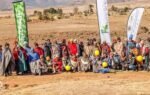
Besides supplying chemicals and diagnosing problems, the clinic also trains farmers in managing crops, controlling pests, and planning their production.
“In the space of farmers, knowledge is the key to overcoming challenges in food production. As Plant Clinic, we invite every Mosotho farmer to come and get the opportunity to learn with us through research and hands-on training,” Masa noted.
He also notes that many farmers still lack important knowledge, which hurts their productivity.
“Many farmers lack information on the right planting season, the quality of seeds, and the correct use of pesticides. So, our aim is to be agripreneurs that help farmers overcome their production challenges,” he said.
Masa admits the project is still developing, but he is confident about where it is headed.
“We cannot say we are already where we aim to be, but with patience and commitment, our work will change crop production in Lesotho.”
A shift toward preventive agriculture
Masa’s vision goes beyond helping single farms. He wants to strengthen the whole country’s farming system and believes plant health should be a key part of food security.
“Plant clinic believes a resilient farming community forms the backbone of a stable nation,” he said.
His approach shows a move from reacting to problems to preventing them, which is especially important now that weather and pests are less predictable.
“Plant protection is no longer optional for Lesotho. Because we are experiencing unpredictable rains, shifting pest ranges and more frequent extreme weather, our crops face new threats every season,” Masa concluded.
He also encouraged farmers to talk to experts early and report crop diseases before they get worse.
He stressed that regular training for farmers can help cut losses, protect family incomes, and make the country’s food system stronger.
“By investing in prevention, local access to inputs and ongoing education, we can build resilient farming systems that withstand climate shocks and secure livelihoods for generations.”