

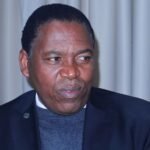

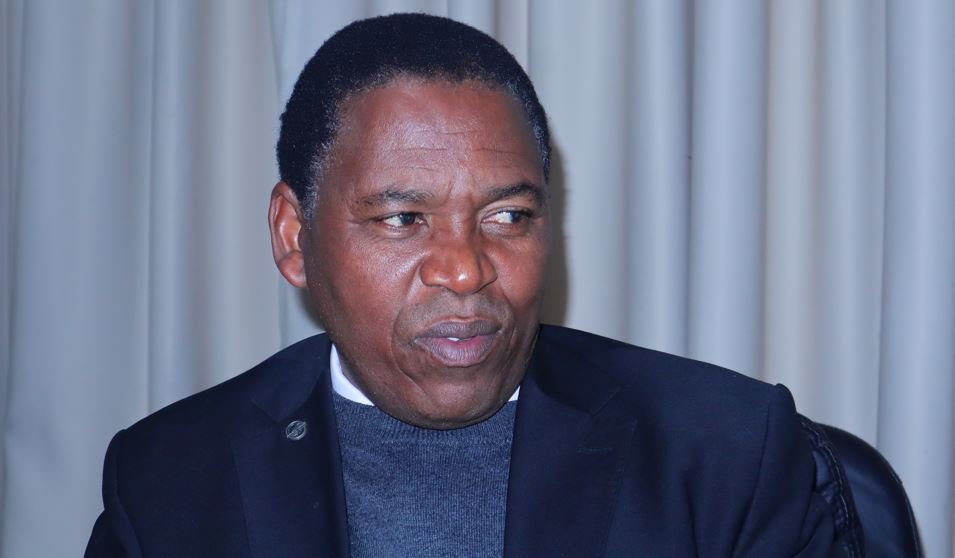
Chairperson of the Social Cluster Portfolio Committee, who also serves as the Chair of Chairpersons in Parliament, Mokhothu Makhalanyane, has called on the government to stop procuring farming inputs.
Makhalanyane, the Member of Parliament for Mokhethoaneng Constituency No. 27, made the remarks during the Committee of Supply debate on the 2026/2027 Estimates of Expenditure from the Consolidated Fund in the National Assembly. The session followed the budget presentation by the Minister of Agriculture, Food Security and Nutrition, Thabo Mofosi.
He argued that exemptions should be made for those who cannot afford farming inputs, while those with the means should be required to pay.
The Ministry of Agriculture told the House that agriculture has the potential to drive national development, strengthen food security, improve nutrition, and enhance rural resilience.
Thuathe Constituency MP, Voeswa Tsheka, had questioned Makhalanyane whether he agrees with previous parliamentary debates suggesting that the ministry should withdraw from procuring farming inputs.
“We are not talking about discussion. We are talking about policy now. We want to see discussions translated into policy,” Makhalanyane said.
He added that there is a need to prepare for the future, warning that many could find themselves at a serious disadvantage if reforms are delayed.
He also referenced the stance of the Minister of Finance and Development Planning, Dr Retšelisitsoe Matlanyane, that government must align its actions with its commitments.
Makhalanyane further noted that only a few people currently benefit from the existing arrangement.
Meanwhile, Minister Mofosi told this publication that the government plans to outsource the procurement of farming inputs to the private sector.
Mofosi has requested a recurrent budget of M548 million to accelerate key agricultural programmes.
Presenting the budget, he said the funds will support extension services, improvement of merino and angora breeds, pest control, and nutrition initiatives. The ministry also plans to assist emerging businesses, provide subsidies for farming inputs, and strengthen the agricultural value chain.
He added that part of the budget will go towards soil testing and improving farming practices.
Mofosi explained that the budget is divided into three main categories: M191 million for salaries, M39 million for travel, documents and transport, and M310 million for operating costs.
The ministry expects to generate M72 million in revenue.
The minister also raised concerns about the role of middlemen, accusing them of charging farmers exorbitant prices.
MP Machesetsa Mofomobe argued that there is no justification for procuring directly from the source, adding that the ministry does not want to invoke the 15 percent preference margin provided for under procurement laws.
Concerns over food security have intensified this year and could be worsened by the ongoing conflict involving Iran, Israel and the United States, which erupted on 28 February 2026.
In its analysis, the United Nations Conference on Trade and Development (UNCTAD) has raised alarm over disruptions in the Strait of Hormuz, a critical corridor that transports about 13 percent of the world’s fertilisers and other agricultural chemicals.
The Strait of Hormuz facilitates a significant share of global trade, including crude oil, liquefied natural gas and fertilisers.