


By Tumelo Taole
Livestock remains central to the survival and identity of many households in Lesotho, yet in districts such as Mohale’s Hoek and Leribe, farmers are increasingly struggling to feed both their animals and their families as deteriorating grazing lands and climate shocks take a growing toll.
Once known for its rich grasslands and high-quality meat, especially poultry, the districts are now grappling with widespread rangeland degradation caused by overgrazing, invasive species, land scarcity, and erratic weather patterns.
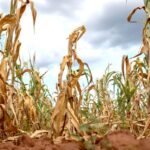
Across villages like Phamong, communal grazing areas have thinned dramatically, and farmers say the pastures no longer behave as they once did: “Rains arrive unpredictably, droughts linger, and sudden storms wash away valuable soil.”
“Outside of the unpredictable weather, we do not have mechanised modes of farming or any enabling resources to ease farming activities. We currently use our animals, and that takes forever. We need tractors,” said Thato Lechato, a farmer from Phamong, describing the challenges witnessed over recent years.
These mounting pressures have made livestock production increasingly uncertain, threatening the primary economic pillar for rural families.
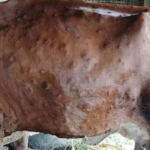
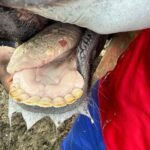
According to the Bureau of Statistics, between 2022 and 2023, 5,510 sheep died in Mohale’s Hoek alone from Pulpy Kidney, a deadly bacterial disease that thrives when animals are suddenly fed rich, high-carbohydrate fodder. Goats also suffered massively, with about 55,141 dying across the district, with deaths classified from diarrhoea, Blue Tongue, Pulpy Kidney, and Black Quarter recorded.
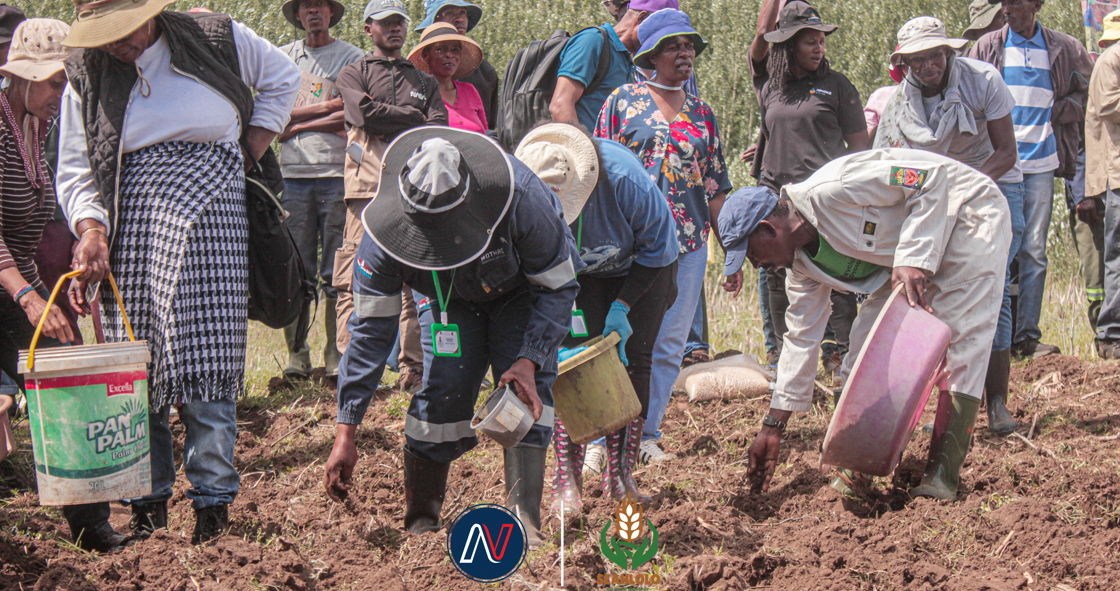
Recognising the urgency of the situation, the Rural Self-Help Development Association (RSDA), with support from ReNOKA, launched training sessions in Mohale’s Hoek and Leribe, intending to equip farmers with skills in fodder production and rangeland management.
The goal is to help communities supplement natural grazing, restore degraded land, and enhance resilience to climate change.
During a recent dialogue in Phamong, Mohale’s Hoek District, RSDA Managing Director Mampho Thulo reminded farmers of the district’s historic strength in livestock production.
“One thing you might not be aware of is that meat from this district, especially chicken, is the best meat there is. This is why thieves steal your livestock and sell it for a fortune in places like Vanderbijlpark in South Africa. This is all thanks to your fodder,” Thulo said.
Farmers were invited to share pressing issues hindering their production, and most cited land scarcity as their imminent problem, noting that most arable plots are already used for food crops, leaving little space for fodder cultivation.
Thulo stressed that proper fodder management is key to prevention, alongside vaccination. “This means you will have to introduce new feeds gradually to your livestock. When changing diets, especially to high-energy feeds, farmers need to do so slowly to allow the animal’s gut flora to adjust. Similarly, a diet should include adequate fibre to maintain proper gut movement, which helps prevent bacterial overgrowth,” she explained.
Zenkane Motakabone, a representative of fodder producers in the district, stressed that their main challenge is limited ploughing space.
“…We therefore have to prioritise between feeding ourselves and our animals,” he said.
He indicated that through fodder production, farmers can make better use of limited land by storing feed for future use, particularly during dry seasons when natural grazing is scarce.
“This practice reduces livestock losses caused by hunger and poor nutrition, while improving animal health and productivity. By securing a reliable feed supply, households are able to protect the value of their animals, which serve as a source of income, food, draught power, and social security. In this way, fodder production strengthens household resilience and ensures that livestock continue to support livelihoods even in times of land scarcity and climate stress,” he advocated.
Climate change emerged as another primary concern, with participants pointing to unpredictable patterns that directly affect the quantity and quality of grazing land.
“We would like to know if there can be assistance for proper irrigation systems as we already have water scarcity. Our main source of water is rain,” Lechato quizzed.
As part of the training, RSDA and ReNOKA demonstrated how different fodder crops can reduce the burden on communal pastures, highlighting lucerne and cereal crops such as maize, sorghum, and barley, as well as soybean, suitable for hay, silage, and feed meal.
These alternatives, as highlighted in the training, provide households with realistic, affordable methods to improve livestock nutrition while helping degraded grazing areas recover.
Lehlohonolo ‘Mochoa, from the Research department, warned that the decline of rangelands poses a wider threat to national food security, citing poor pasture conditions that lead to weaker livestock, lower milk and meat production, and increased vulnerability during droughts, factors that directly undermine rural livelihoods.
“Our land is bare, and planting fodder can help take it back to its former state,” ‘Mochoa said.
“Fodder crops, especially perennial grasses and trees, establish extensive and deep root systems that bind the soil together, preventing soil loss from wind and water erosion. The dense ground cover they provide also slows down surface water runoff.
“Also, many fodder species, particularly legumes like clover, vetch, and certain trees, are nitrogen fixers. They capture atmospheric nitrogen and convert it into a form plants can use, enriching the soil and reducing or eliminating the need for synthetic fertilisers. As fodder crops grow and shed leaves or decompose, they add significant amounts of organic matter to the soil. This organic material improves soil structure, increases water infiltration and retention, and feeds beneficial soil microbes, enhancing the overall soil food web,” he explained.
He noted that by implementing these natural processes, planting fodder helps to reverse the degradation of barren land, making it more fertile, productive, and sustainable over the long term.
ReNOKA, an organisation stemming from a recognition of severe environmental challenges in Lesotho, including land degradation, soil erosion, which costs the country an estimated 2% of topsoil annually, and the impacts of climate change, such as increased flooding and droughts, emphasises that Lesotho, often called the “water tower” of Southern Africa, supplies about 40% of the Orange-Senqu River’s annual run-off, making its ecological health crucial for the entire region, including South Africa, Botswana, and Namibia.
The core purpose of ReNOKA is to implement an integrated catchment management (ICM) approach to address these issues by protecting and conserving water resources, wetlands, and ecosystems, reducing soil erosion and desertification, rejuvenating agricultural lands, building climate resilience, ensuring a sustainable water supply for current and future generations, and improving urban and rural livelihoods while fostering economic development.
These core functions were shared by Makatleho Serobanyane, ReNOKA’s Community Liaison Officer in Hlotse, at the second and final training session held by both the organisation and RSDA in Mphosong, Leribe.
It is in this district that a young farmer, Thora Mathibeli, shared his fodder production journey with farmers who had gathered there from all parts of Leribe. He mentioned that, as an emerging fodder farmer, he encourages Basotho to produce lucerne hay, among other fodder types.
“Lucerne can withstand harsh weather conditions and is usually an ideal crop to plant around March. One of the key benefits of lucerne hay is its high protein content, which is essential for the growth and maintenance of muscle tissue. This makes it an ideal feed for growing animals, as well as for adult animals that are being used for work or competition.
“The high digestibility of lucerne hay also means that animals can extract more nutrients from their feed, which can help to reduce feed costs,” Mathibeli shared.
He added that lucerne hay is also rich in minerals and vitamins, including calcium, phosphorus, and vitamins A and D, which are essential for animal health and well-being. Its high fibre content, which can range from 20 to 30 per cent, makes it an excellent choice for animals that need to maintain a healthy digestive system. The high fibre content helps to keep the gut functioning properly, which can help to prevent digestive problems such as colic.
It is in Leribe, Makhoaneng, Pitseng, where farmers were reminded that understanding how different animals graze is essential to managing and protecting their land.
Speaking during the workshop, Thee Motseri from the Department of Range Resources Management explained that animals do not feed the same way: “Horses pick grass, cows graze over it, while other animals nibble. These differences may seem small, but they shape how rangelands respond to pressure and how long they remain productive.”
This knowledge formed a crucial part of the training on fodder production.
“When farmers understand how each animal interacts with the land, they can make better decisions about grazing patterns, resting periods, and the types of fodder to plant. It also helps ensure that both the natural rangelands and the cultivated fodder fields remain healthy, sustainable, and capable of supporting livestock throughout the year,” Motseri said.
According to Farmkeep’s research, different species have unique nutritional needs. Dairy cattle need energy-dense and protein-rich fodder like maize silage or alfalfa, while goats and sheep do better on fibrous legumes and mixed grasses. Poultry, on the other hand, benefit more from grain-based feed.
The research noted that the best fodder is one that is locally available, affordable, and sustainable. Using regionally grown crops or farm by-products helps reduce feeding costs and ensures a consistent supply year-round.