




In her Mid-Term Budget Review speech, Finance Minister Dr Retselisitsoe Matlanyane expressed cautious optimism for Lesotho’s agricultural sector, highlighting a significant recovery from a recent downturn while simultaneously addressing major funding shortfalls that threaten long-term progress.
The Minister outlined a multi-faceted government strategy centred on climate resilience, youth empowerment, and environmental sustainability as cornerstones of inclusive growth.
The speech acknowledged the severe challenges of the previous year, during which the agricultural sector experienced a 19% decline in overall output, with staple crops like maize and sorghum falling by 19% and 43%, respectively. However, she reported that a modest recovery is anticipated for the 2025/26 period, supported by forecasts of normal to above-normal rainfall and the adoption of improved breeding practices.
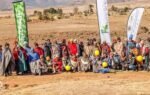
This positive outlook is bolstered by significant government investment and targeted initiatives. Over 6,600 farmers have been trained in Climate Smart Agriculture, alongside the commissioning of major irrigation schemes at Tsikoane (250 hectares) and Seaka (200 hectares), enhancing water access and crop yields in drought-prone areas.
“We have prioritised growth-enhancing investments, job creation, and policy reforms aimed at unlocking inclusive and sustainable development. Significant investment has been made in agriculture,” Dr Matlanyane stated, emphasising the government’s commitment to transitioning to a private-sector-led economy.
Key progress includes the rollout of the LIAMIS system, which has registered thousands of farmers for smart subsidies and insurance, and the establishment of resource centres, such as the one in Teyateyaneng, providing training and tailored inputs.
Youth empowerment has been a central focus, with 300 farmers awarded SADP II grants and 80 young farmers receiving support. The government also signed a M200 million Credit Guarantee Facility to improve access to machinery, resulting in the acquisition of over 200 tractors and planters.
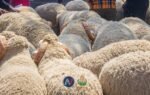
The strategy extends beyond traditional crops to encompass livestock and aquaculture, she said, noting the operational Sheep Start Centre in Quthing and a new nitrogen plant are enhancing wool and mohair genetics, while aquaculture ventures, such as the Katse Dam trout farms, are now producing up to 3,700 tons annually for export.
In parallel to agricultural development, the government is promoting an environmental sustainability agenda. Initiatives include planting over 67,000 forest trees and 14,500 fruit trees, establishing 22 orchards, and strengthening rangeland management through reseeding and the issuance of 2,300 grazing permits. Efforts in wetland restoration and soil conservation have also been implemented, alongside enhancements to disaster management systems to improve national resilience.
However, the Minister was candid about the significant challenges facing these ambitions. A major funding shortfall, primarily due to the withdrawal of support from the Millennium Challenge Corporation (MCC) and USAID, has severely constrained the capital budget. Grants, initially budgeted at M3.48 billion, are now projected to be only M1.38 billion.
“This shortfall has constrained our capital budget, delayed key infrastructure investments, and limited service delivery improvements in health and agriculture,” Dr Matlanyane explained. The most significant contraction has been in capital spending, with only a fraction of the allocated funds disbursed, directly delaying infrastructure rollout in crucial sectors.
In her conclusion, the Minister affirmed that, despite these fiscal pressures and external shocks such as drought and global inflation, the government’s strategic investments and reforms are yielding key achievements. The mid-term review underscores a nation in a state of resilience, actively working to build a more sustainable and inclusive agricultural economy while navigating a complex and challenging financial landscape.